Publications
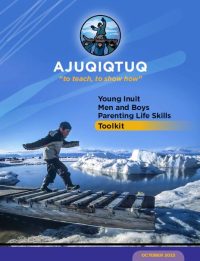
EYMB Toolkit
Ajuqiqtuq Parenting Life Skills Toolkit was developed to articulate and reinforce the benefits of preparing young Inuit men and boys to understand the skills needed to communicate and maintain healthy relationships, to learn about the importance of managing anger and stress, and to understand the value of accepting gender and sexual diversity among Inuit. Together, this knowledge will help young fathers discover practical coping skills to help them positively manage the stress and frustration that can come with parenting.
The toolkit also offers practical information on life skills grounded in Inuit Quajimajatuqangit, interpersonal communication skills in promoting gender equality and providing care and support in efforts to prevent gender-based violence. The toolkit also covers Inuit games and land-based activities for youth bonding and learning about resilience. The tools and activities provided may be adapted and utilized by other organizations, in addition to offering guidance on advocacy, needs assessment, and monitoring related efforts to engage Inuit young men and boys.
The purpose of the Ajuqiqtuq Toolkit was created to:
- Provide guidance to plan and facilitate a Parenting Life Skills Workshop for young Inuit men and boys;
- Share the ever-growing body of Inuit knowledge on mental and emotional life skills, healing, and Inuit parenting; and
- Contribute to healthy families.
Year Published October 2023
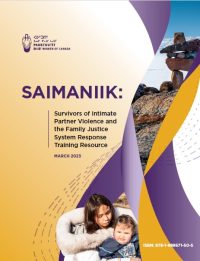
Saimaniik Toolkit
The Saimaniik Toolkit, developed by Pauktuutit Inuit Women of Canada, addresses the overrepresentation of Inuit women in experiencing intimate partner violence (IPV) and the barriers they face in accessing support. It aims to enhance understanding among justice practitioners of the historical and current contexts shaping these experiences, providing practical strategies to help Inuit communities deal with IPV.
Saimaniik Toolkit was developed with input from survivors of IPV, legal professionals, subject matter experts, community members from across Canada. It is designed to:
- Establish the needs and priorities for survivors of intimate partner violence.
- Help close the service gaps.
- Strengthen the understanding of the legal service providers of challenges and risks faced by Inuit women
Year Published March 2023
National Urban Inuit Housing and Homelessness Needs Assessment Final Report
Assisted by a consulting firm, Pauktuutit conducted an analysis of housing services available to Inuit and interviews of service providers in twelve urban centres: Ottawa, Montreal, Toronto, Winnipeg, St. John’s, Happy Valley-Goose Bay, Halifax, Regina, Edmonton, Yellowknife, Victoria, and Fredericton, and conducted interviews with non-Inuit service providers in these cities. The reports, National Urban Inuit Housing and Homelessness Needs Assessment: Research Summary and National Urban Inuit Housing and Homelessness Needs Assessment: Service Provider Interviews summarize responses of service providers in each city and offer overarching themes and observations from the interview processes. Additionally, Pauktuutit completed a review of examined international homelessness approaches and strategies to leverage those practices for the betterment of Inuit in Canada, completed a literature review focussed on the adequacy and effectiveness of homelessness programs and services for urban Inuit in Canada, and an overview of homelessness and housing programs and services in the 12 designated urban All documents may be obtained by contacting Pauktuutit’s Social and Economic Development team by email at lijtemaye@pauktuutit.ca.
https://pauktuutit.ca/wp-content/uploads/Pauktuutit_Reaching-Home_Final-Report_Inuktut.pdf
Year Published:2023
Saimaniik Environmental Scan
The environmental scan conducted for the Survivors of Intimate Partner Violence and the Family Justice System Response Project covers resources and services in each region of Inuit Nunangat and select urban centers, as well as at broader national, provincial, and territorial levels. It identifies existing resources for law practitioners and frontline workers supporting Inuit IPV survivors through the legal system, highlighting gaps and needs. The scan focuses on Inuit-specific or broadly relevant Indigenous Canadian resources, excluding non-Indigenous specific materials.
All actions undertaken should be grounded in evidence-based data to support responses. To ensure that the voices of Inuit women are heard, we support research, data collection, and environmental scans / gap analysis, in all projects.
Year Published February 2023
Meeting Survivors’ Needs: Gender-Based Violence against Inuit Women and the Criminal Justice System Response Phase II – Final Report
Since the 1970s, the Canadian criminal justice system has implemented substantial measures to address gender-based violence. Legislative reforms have enhanced the prosecution and management of sexual violence cases. Mandatory charging policies require that domestic violence be treated with the same seriousness as violence occurring in public settings. Additionally, specialized domestic violence courts and correctional programs targeting abusive men have been introduced.
Despite these significant interventions, gender-based violence persists as a critical and urgent crisis. Men continue to perpetrate physical and sexual assaults, as well as homicides, against women at alarming rates. The continued prevalence of gender-based violence necessitates immediate action and raises pressing questions regarding the adequacy of the Canadian criminal justice system in addressing the needs of victims and survivors.
The crisis of gender-based violence is particularly severe and urgent in its impact on Indigenous women in Canada.
Year Published September 2022
Inuit Sexual and Reproductive Health: Supporting Inuit Families and Communities.
From September 2021 to March 2022, Pauktuutit spoke with Inuit in Inuit Nunangat and in urban centers across Canada to hear what they would like to see the Federal Government include in Distinctions-based Indigenous Health Legislation.
We heard from health care workers, administrators, nurses, researchers, elders, and mothers about their experiences in the Canadian health care system. They told powerful stories that call for dramatic change to the current approach to Inuit sexual and reproductive health care.
This report presents our recommendations toward building an equitable foundation for Inuit sexual and reproductive health in Canada.
Year Published:2022
Resource List
Here you can find a list of resources and services that can help you learn about FASD, seek support for yourself or a loved one, and how you can make a difference for people with FASD. Have we missed an organization or resource? Let us know at fasdcop@pauktuutit.ca
https://pauktuutit.ca/wp-content/uploads/Pauk-ResourceList-V1.0-22-1.pdf
Year Published: 2022
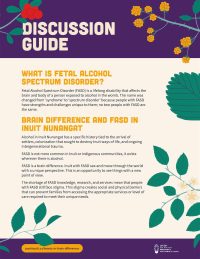
2-page Discussion Guide
Fetal Alcohol Spectrum Disorder (FASD) is a lifelong disability that affects the brain and body of a person exposed to alcohol in the womb. The name was changed from ‘syndrome’ to ‘spectrum disorder’ because people with FASD have strengths and challenges unique to them; no two people with FASD are the same.
https://pauktuutit.ca/wp-content/uploads/Pauk-DiscussionGuide-TWOPAGE-FINAL.pdf
Year Published: 2022
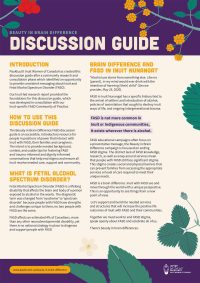
Beauty in Brain Difference Discussion Guide
The Beauty in Brain Difference FASD discussion guide is an accessible, introductory resource for people in positions of power that interact with Inuit with FASD, their families and caregivers. The intent is to provide needed background, context, and usable tips for fostering FASD and trauma-informed and dignity-informed conversations that help end stigma and ensure all
Inuit receive needed care, support and community.
Year Published: 2022
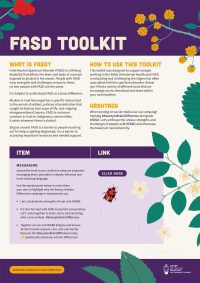
FASD Toolkit
This toolkit was designed to support people working in the fields of maternal health and FASD in educating and challenging the stigma too often associated with this spectrum disorder. Below you’ll find a variety of different tools that we encourage you to download and share within your communities.
This work is by and for Inuit. Our Inuit-led research report provided the foundations upon which we built this campaign. We developed this toolkit with the help of our Inuit-specific FASD Community of Practice so that you can join us in reducing the stigma associated with FASD among Inuit.
https://pauktuutit.ca/wp-content/uploads/Pauktuutit-DigitalToolkit-FINAL-1.pdf
Year Published: 2022
Environmental Scan and Research Report: FASD – Supporting Inuit Families and Communities
We would like to extend our sincere thanks and appreciation to the many people who contributed to this report.
Primarily, we would like to thank the community members, service providers, and key informants who took the time to share their knowledge and stories with us. This work could not have been completed without their participation.
This report was a collaborative effort of a research team that worked to design, implement and complete the work. This includes core team members from Pauktuutit and Firelight Research Inc. who worked together to design the research methods, travelled to Nunavik and the Inuvialuit Settlement Region to facilitate and carry out focus groups and interviews, conducted virtual interviews, and provided analysis and writing support. Crystal Martin-Lapenskie from Okpik Consulting aided in the virtual interviews and engagement and provided critical report support at a time when the pandemic caused the report to shift from an in-person to virtual setting.
Lastly, we would like to especially acknowledge all of the Inuit families across Inuit Nunangat and Canada who are impacted by FASD, those with suspected or confirmed FASD, those who are caregivers, and those providing essential services to others affected by FASD.
Year Published: 2021
Community Report: FASD – Supporting Inuit Families and Communities
We would like to extend our sincere thanks and appreciation to the many people who contributed to this report.
Primarily, we would like to thank the community members, service providers, and key informants who took the time to share their knowledge and stories with us. This work could not have been completed without their participation.
This report was a collaborative effort of a research team that worked to design, implement and complete the work. This includes core team members from Pauktuutit and Firelight Research Inc. who worked together to design the research methods, travelled to Nunavik and the Inuvialuit Settlement Region to facilitate and carry out focus groups and interviews, conducted virtual interviews, and provided analysis and writing support. Crystal Martin-Lapenskie from Okpik Consulting aided in the virtual interviews and engagement and provided critical report support at a time when the pandemic caused the report to shift from an in-person to virtual setting.
Lastly, we would like to especially acknowledge all of the Inuit families across Inuit Nunangat and Canada who are impacted by FASD, those with suspected or confirmed FASD, those who are caregivers, and those providing essential services to others affected by FASD.
Year Published: 2021
Annual Reports
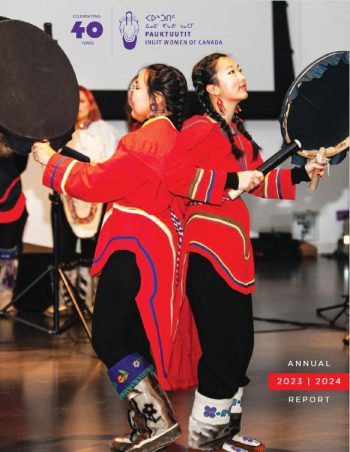
2023-2024 Annual Report
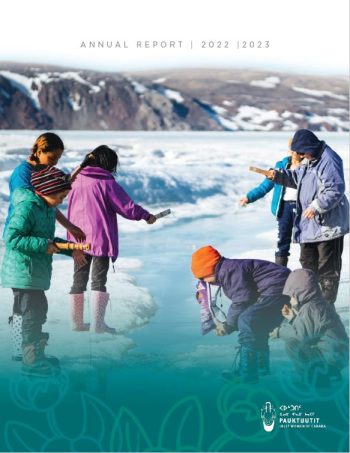
2022-2023 Annual Report
2021-2022 Annual Report
2020-2021 Annual Report
2019-2020 Annual Report
2018-2019 Annual Report
2017-2018 Annual Report
2016-2017 Annual Report
2015-2016 Annual Report
2014-2015 Annual Report
2013-2014 Annual Report
2012-2013 Annual Report
2011-2012 Annual Report
2010-2011 Annual Report
2009-2010 Annual Report
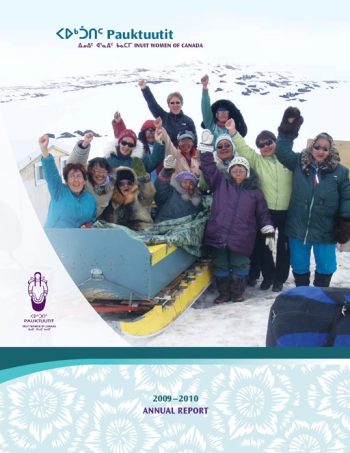
2008-2009 Annual Report
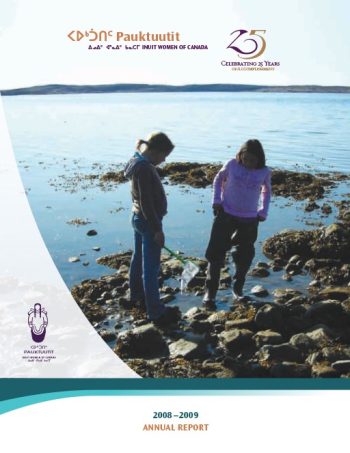
2007-2008 Annual Report
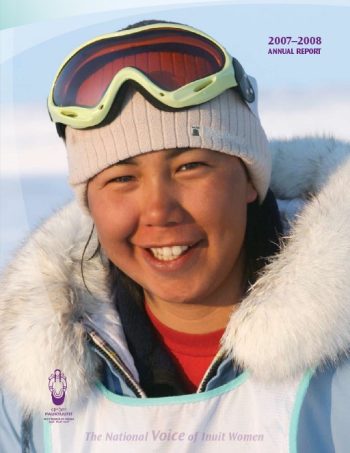
2006-2007 Annual Report
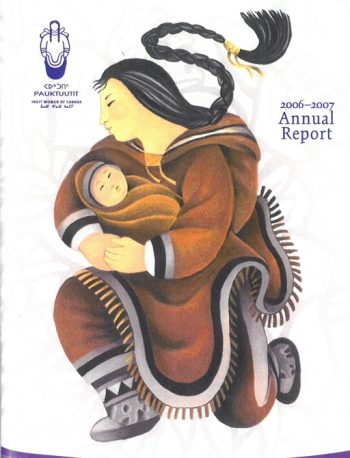
2005-2006 Annual Report
2003-2004 & 2004-2005 Annual Report
2002-2003 Annual Report
2001-2002 Annual Report
2000-2001 Annual Report
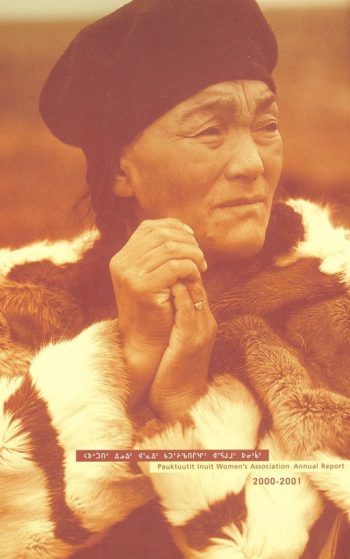
1999-2000 Annual Report
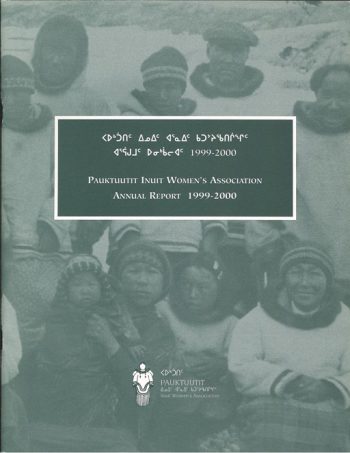
1998-1999 Annual Report
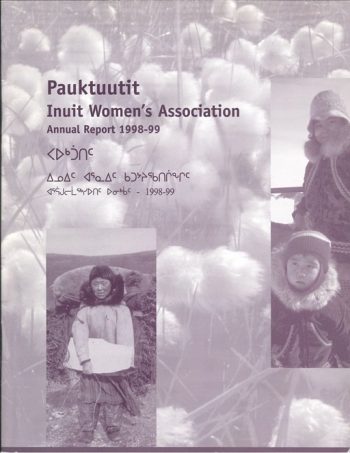
1997-1998 Annual Report
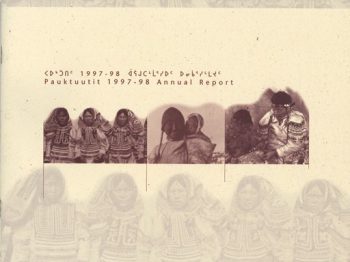
1996-1997 Annual Report
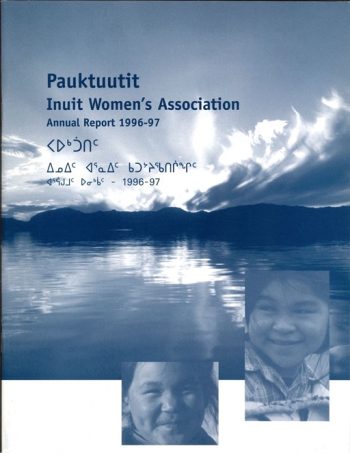
1995-1996 Annual Report
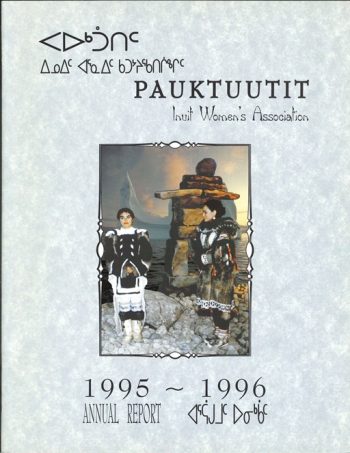
1994-1995 Annual Report
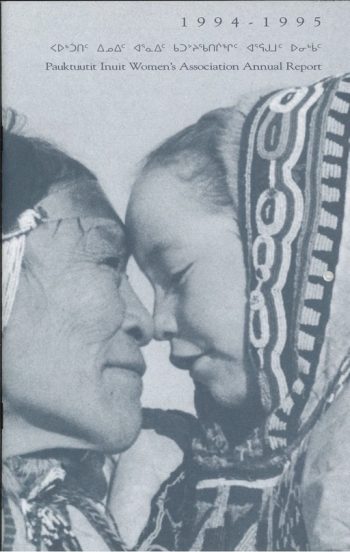
1993-1994 Annual Report
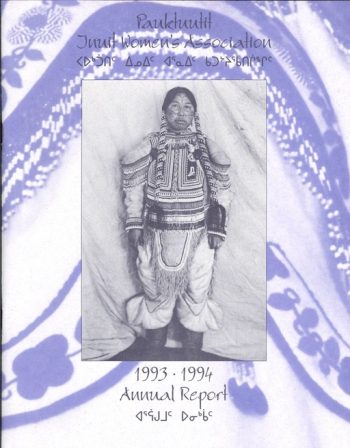
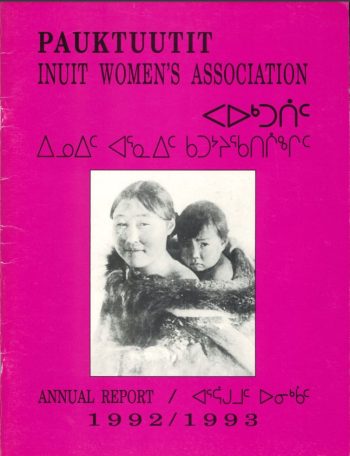
1992-1993 Annual Report
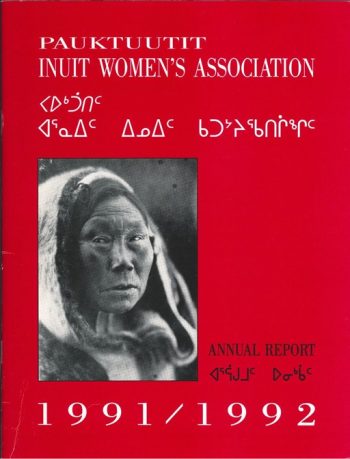
1991-1992 Annual Report
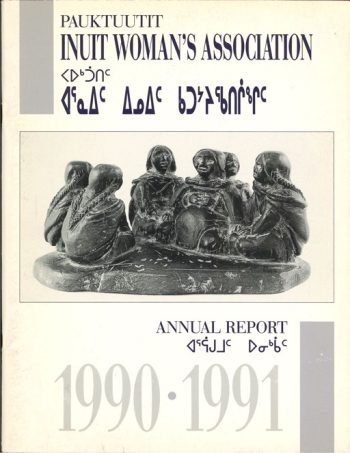
1990-1991 Annual Report
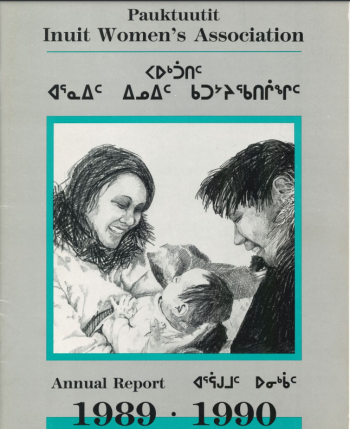
1989-1990 Annual Report
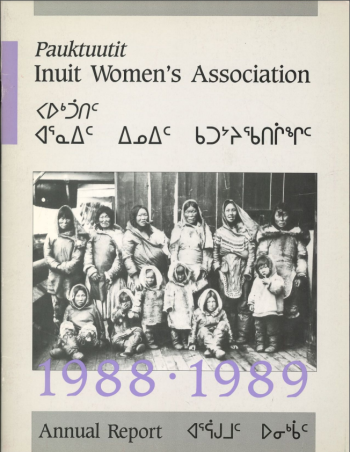
1988-1989 Annual Report
1987-1988 Annual Report
1986-1987 Annual Report
1985-1986 Annual Report
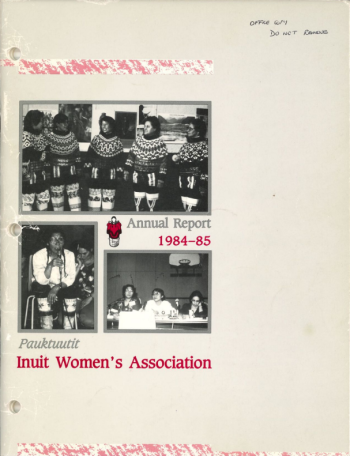
1984-1985 Annual Report
Policy Briefs
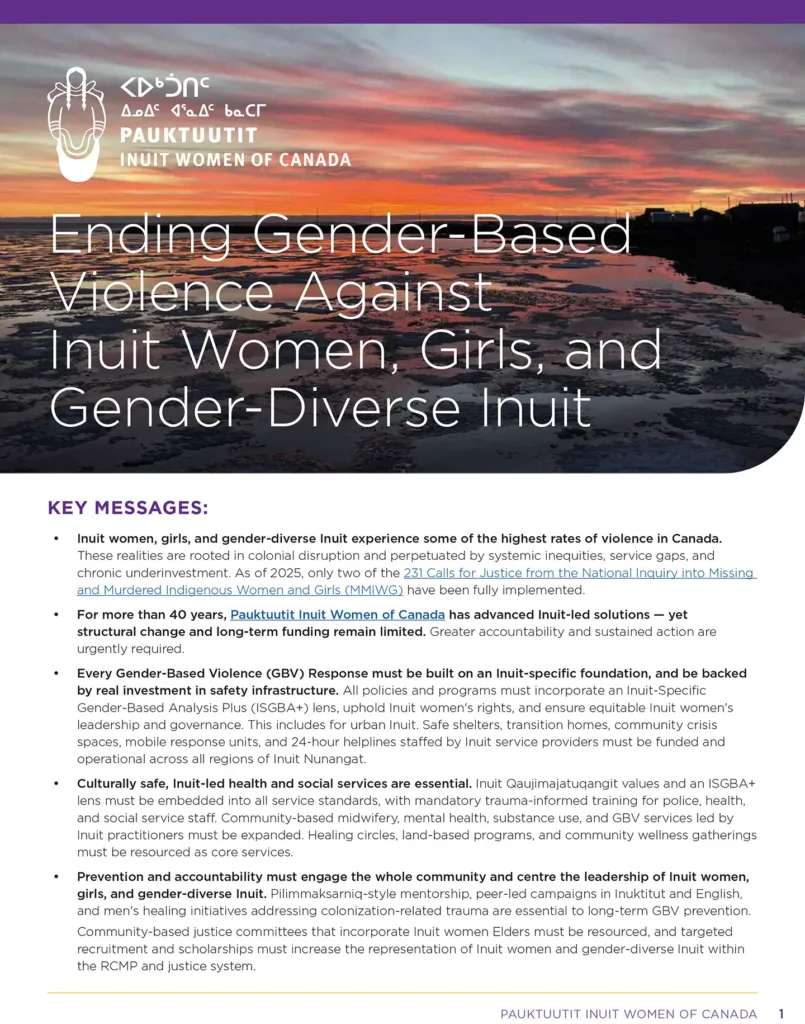
Ending Gender-Based Violence Against Inuit Women, Girls, and Gender-Diverse Inuit
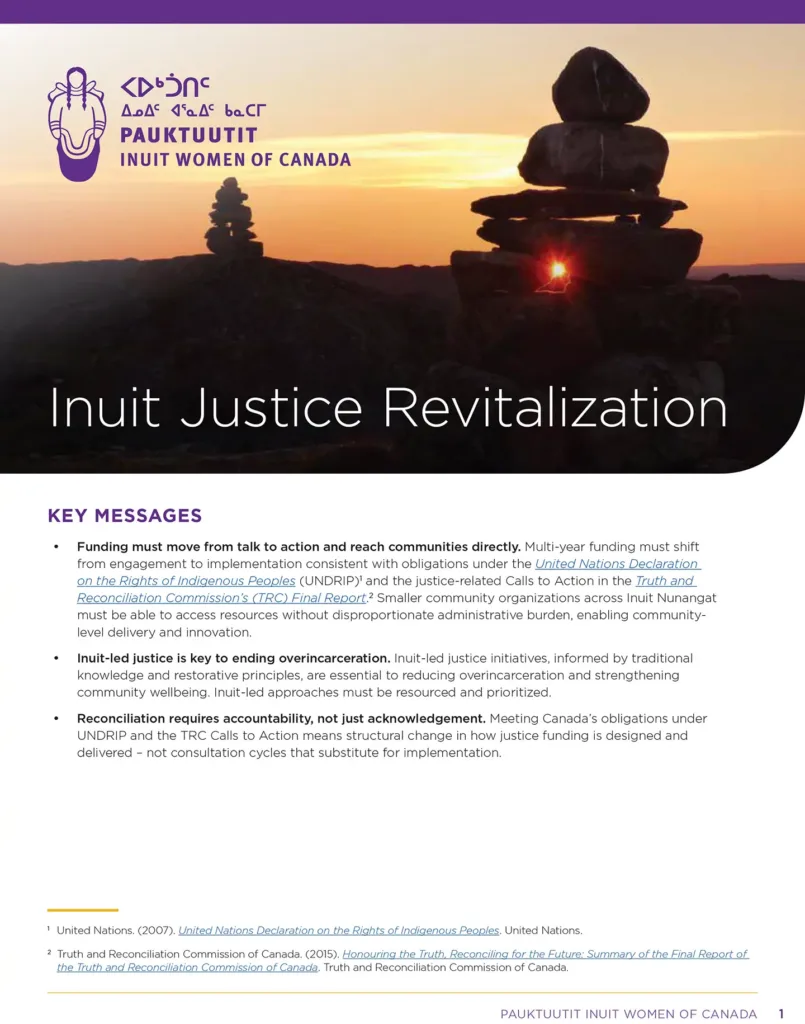
Inuit Justice Revitalization
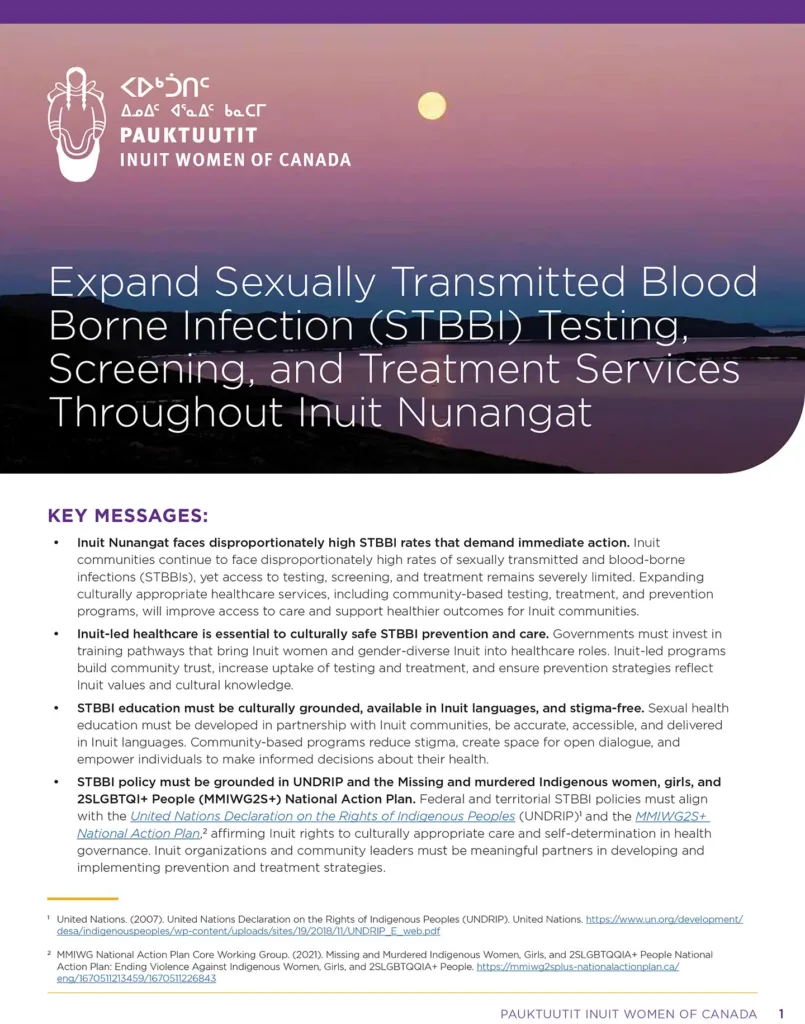
Expand Sexually Transmitted Blood Borne Infection (STBBI) Testing, Screening, and Treatment Services Throughout Inuit Nunangat
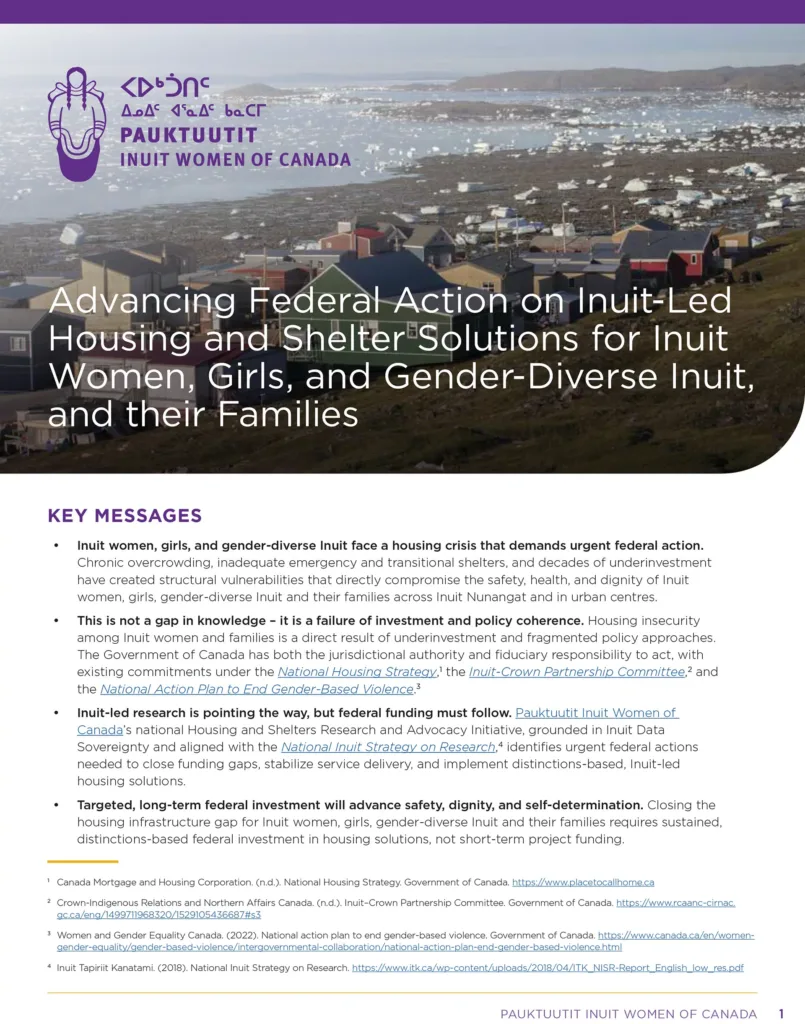
Advancing Federal Action on Inuit‑Led Housing and Shelter Solutions for Inuit Women, Girls, and Gender‑Diverse Inuit, and their Families
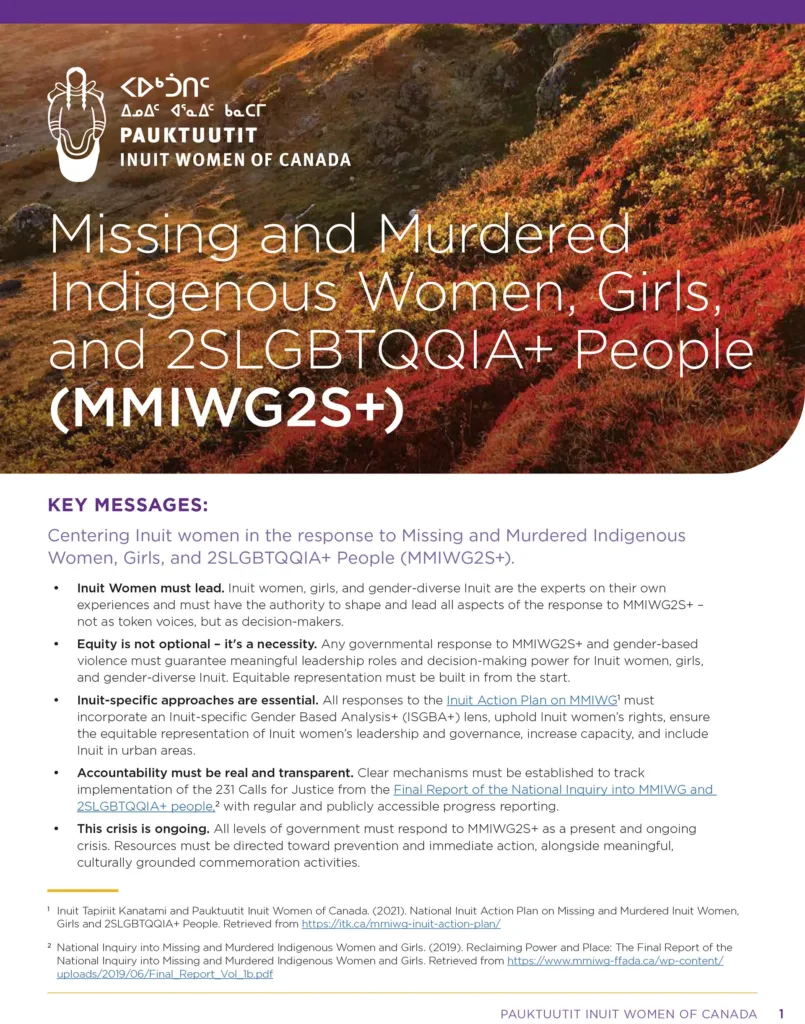
Missing and Murdered Indigenous Women, Girls, and 2SLGBTQQIA+ People (MMIWG2S+)
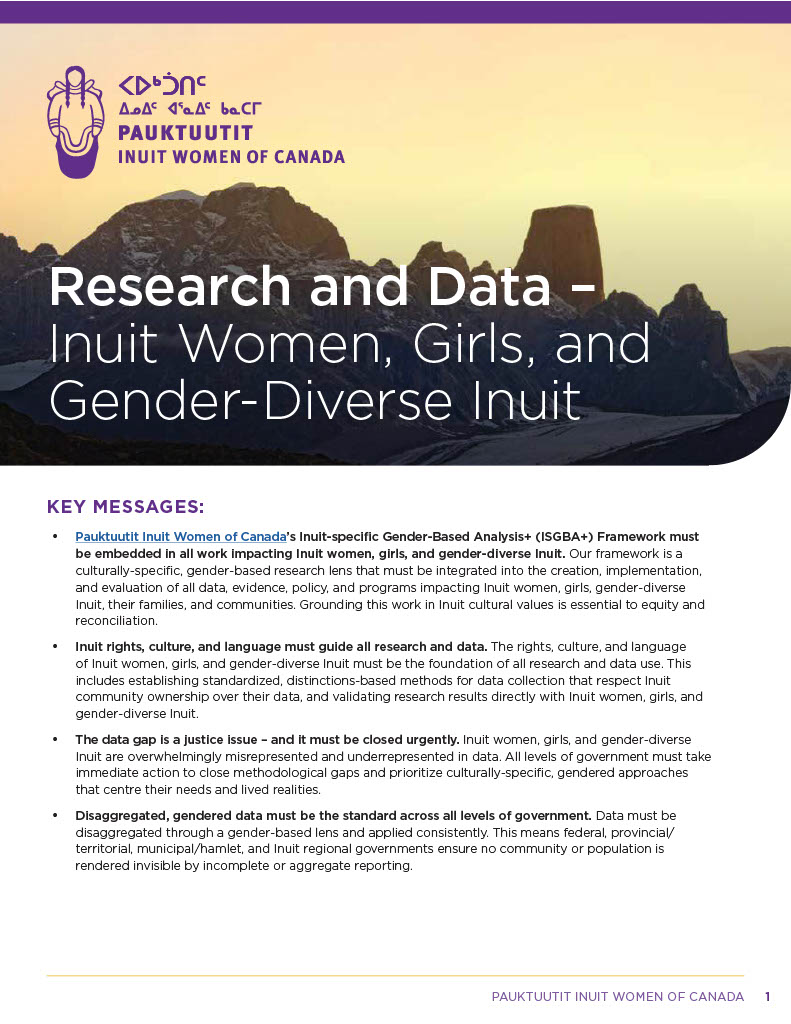
Research and Data – Inuit Women, Girls, and Gender-Diverse Inuit
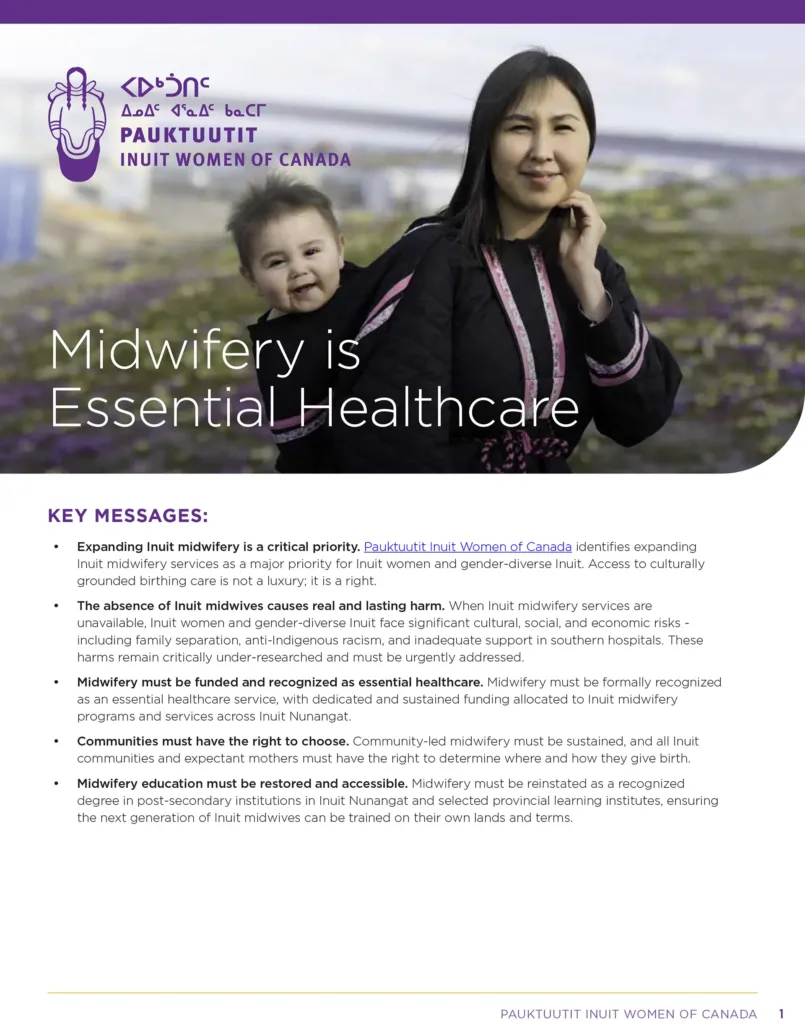
Midwifery is Essential Healthcare
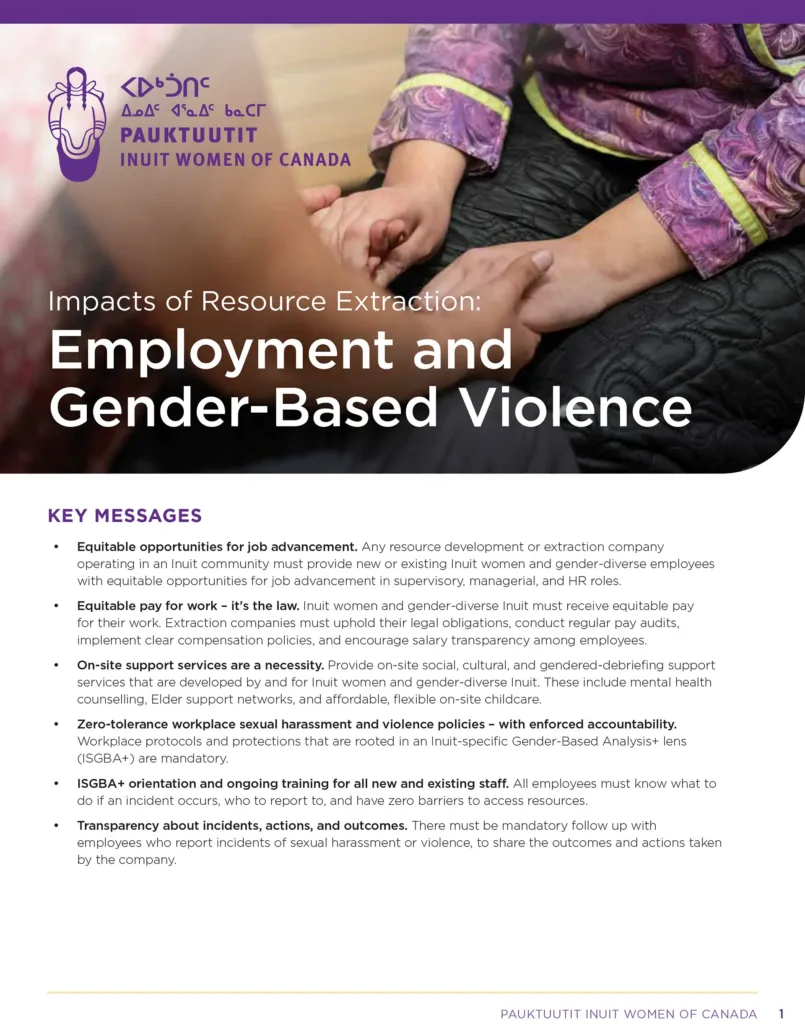
Impacts of Resource Extraction: Employment and Gender‑Based Violence