Publications
Addressing Gendered Violence against Inuit Women: A review of police policies and practices in Inuit Nunangat
We are grateful to the many individuals and organizations who had a role in bringing this project to completion.
First and foremost, we extend our most sincere gratitude to the 45 courageous Inuit women— from all four regions of Inuit Nunangat—who volunteered to participate in this study. Without their fortitude and determination to improve their safety and the safety of women in similar circumstances, this research would not have been possible. We remain truly humbled and tremendously appreciative that they chose to share their experiences with us.
As well, we are extremely grateful for the contributions of the 40 social service providers and police officers who took time from their demanding schedules and generously agreed to share their insights and knowledge about the successes and challenges encountered in responding to gendered violence against Inuit women in Inuit Nunangat.
This project also benefitted enormously from the input of the members of the Project Advisory Committee:
- Yvonne Niego, Deputy Minister, Family Services, Government of Nunavut
- Tracy Ann Evans-Rice, Status of Women Coordinator, Nunatsiavut Government
- Donna Rogers, Executive Director, Inuvik Transition House Society
- Lizzie Aloupa, Inuit Rights Officer, Makivik Corporation
- Heloise Chartrand, Family Violence and Sexual Abuse Agent, Nunavik Board of Health and Social Service
- Peggy Day, After-Care Coordinator, Inuvialuit Regional Corporation
We also acknowledge the indispensable support from the Community Research Liaisons in each of their respective regions who provided us with guidance on culturally appropriate strategies for community engagement and data collection. In addition, we are grateful to the elders, interpreters, and mental health support workers in each of the communities we visited who contributed their expertise, kindness, and compassion.
Samantha Michaels, Senior Research and Policy Advisor at Pauktuutit, was indispensable in her role as the point person for the project. In addition to conducting the interviews in Inuvialuit and Nunavik (as well as several more by telephone), Samantha did a marvellous job of ushering the project through its various stages (including proposal writing, ethics and research licensing processes, compiling the interim report to Public Safety Canada, connecting with Project Advisory Committee members, reaching out to potential participants by email, and assisting with the final report).
Christine Lund, Research and Policy Advisor at Pauktuutit, conducted the interviews in Nunavut and Nunatsiavut with sensitivity and care. Loren Bresch, a student in the Department of Sociology and Criminology at the University of Manitoba, ably took on the important task of conducting the literature review. And Kathy Jaworski did an admirable job (and in record time) of transcribing all of the interview recordings.
Funding for this project was provided by the Policy Development Contribution Program of Public Safety Canada, as well as in-kind contributions from Pauktuutit Inuit Women of Canada and the University of Manitoba.
https://pauktuutit.ca/wp-content/uploads/Pauktuutit_Addressing-Gendered-Violence_English_Full-Report-1.pdf
https://pauktuutit.ca/wp-content/uploads/Pauktuutit_Addressing-Gendered-Violence_Inuktut.pdf
Year Published 2020
Gender-Based Analysis of Inuit Women-Owned Businesses Final Report 2021
ARKTIS Piusitippaa Inc. was retained to conduct an in-depth consultation process with Inuit women business owners and relevant stakeholders, such as regional economic development organizations and other federal, provincial and regional governmental and nongovernmental service providers, and to perform a Gender-Based Analysis Plus (GBA+) of the results arising from these interviews.
The results of this study are based on qualitative and quantitative survey data from interviews conducted with 30 Inuit Women Business Owners (IWBOs) and 15 Economic Development Officers (EDOs) and other Service Providers in Inuit Nunangat and southern urban centres during March and April, 2021.
https://pauktuutit.ca/wp-content/uploads/GBA_IWOB_Report_AUG-2021.pdf
Year Published 2021
Ottawa Inuit Women’s Housing and Shelter Needs Assessment
This research was funded by Canada Mortgage and Housing Corporation (CMHC), however, the views expressed are the personal views of the author(s) and CMHC has no responsibility for them.
https://pauktuutit.ca/wp-content/uploads/Pauktuutit_Housing_English_03.pdf
https://pauktuutit.ca/wp-content/uploads/Pauktuutit_Housing_Inuktitut.pdf
Year Published: 2021
Gender-Based Analysis of Inuit Women-Owned Business Backgrounder
Pauktuutit Inuit Women of Canada (Pauktuutit) conducted a study interviewing 30 Inuit Women Business Owners (IWBO), as well as 15 Economic Development Officers (EDO) and other Service Providers, in Inuit Nunangat and southern urban centres during March and April of 2021.
The purpose of this consultation was to better understand the needs, priorities, challenges, and gaps for Inuit women’s economic development so that Pauktuutit can better support Inuit women and advocate on their behalf.
The interviews established business profiles and explored themes including how success is defined, how best practices are incorporated into business decisions, the influence of gender and culture on business, challenges and opportunities, and access to support and resources.
https://pauktuutit.ca/wp-content/uploads/GBA_IWOB_Backgrounder_NOV-2021.pdf
Year Published 2021
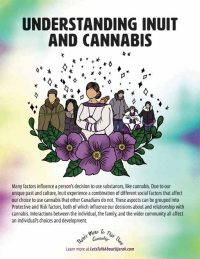
Understanding Inuit and Cannabis
Many factors influence Inuit decisions to use substances like cannabis, including our past experiences, current realities, and our culture. Learn more about these factors and how you can help open discussions around cannabis with your family or community.
https://pauktuutit.ca/wp-content/uploads/Inuit-and-CannabisEN.pdf
Year Published September 2021
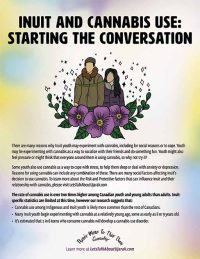
Inuit and Cannabis Use: Starting the conversation
Many factors influence Inuit decisions to use substances like cannabis, including our past experiences, current realities, and our culture. Learn more about these factors and how you can help open discussions around cannabis with your family or community.
https://pauktuutit.ca/wp-content/uploads/discussion-guideEN.pdf
Year Published September 2021
Uuktuutiit: Inuit Sexual Health Indicators
Uuktuutiit: Inuit Sexual Health Indicators, responds to the 2017 Tavva: Inuit Sexual Health Strategy objective for Inuit-specific surveillance of sexual health and is directed towards future research orientations. Uuktuutit touches on efforts described in the Ikajurniq: Cascade of Care to measure initiatives related to monitoring STBBIs but goes beyond by including other key aspects that effect sexual health and wellness such as, reducing sexual violence, providing more mental health services in communities and supporting gender and sexual diversity. While 15 indicators were selected by the National Inuit Sexual Health Network members to as the foci of Uuktuutit, it is important to note that there is not one single approach to measuring sexual health and that the selection and application of indicators must be regionally and community specific.
https://pauktuutit.ca/wp-content/uploads/Final-English-Uuktuutiit-aug2021-electronic-proof.pdf
https://pauktuutit.ca/wp-content/uploads/Uuktuutiit-French-electronic-apr2022.pdf
https://pauktuutit.ca/wp-content/uploads/Uuktuutiit-Inuinnaqtun-electronic-apr2022.pdf
https://pauktuutit.ca/wp-content/uploads/Uuktuutiit-Inuktitut-north-Baffin-electronic-mar2022.pdf
https://pauktuutit.ca/wp-content/uploads/Uuktuutiit-Inuktitut-south-baffin-electronic-sept2021.pdf
https://pauktuutit.ca/wp-content/uploads/Uuktuutiit-Inuvialuktun-electronic-mar2022.pdf
https://pauktuutit.ca/wp-content/uploads/Uuktuutiit-Labrador-Inuttut-mar2022-electronic.pdf
https://pauktuutit.ca/wp-content/uploads/Uuktuutiit-Nunavik-electronic-apr2022.pdf
Year Published: 2021
Ikajurniq 2021
The first version of Ikajurniq was published in 2018. It was conceptualized as a tool to inform Inuit of the various steps involved in sexual health education, testing, diagnosis and treatment, as well as guide healthcare services providers in culturally relevant and regionally specific approaches that provide safe and equitable delivery of care for Inuit. After feedback and engagement consultations with health care providers across Inuit Nunangat in 2019-2020, Ikajurniq has been updated and its framework expanded – Ikajurniq 2021 includes more information on the prevention, testing and treatment of infections that are spread through sexual contact and through blood as well as a new updated graphic depicting an Inuit-specific Cascade of Care.
https://pauktuutit.ca/wp-content/uploads/IKAJURNIQ-sept2021-electronic-final.pdf
Year Published: 2021
Addressing Racism in the Health Care System
Racism is an experience acutely felt by many Inuit women. This is especially true when they engage with the health care system where colonial and racist policies converge with erroneous assumptions based on negative stereotypes about Indigenous people.
This often means Inuit women experience sub-standard care, relative to other Canadians. It can also result in tragic outcomes for Inuit women, their families and communities.
Anti-racism is a process, a systematic method of analysis, and a proactive course of action rooted in the recognition of the existence of racism. A trauma-informed and distinctions-based approach, grounded through the lens of Inuit women and a GBA+ analysis, is critical to successfully address structural factors that continue to oppress Inuit in Canada, including when interacting with the health care system.
It is against this background that Pauktuutit presents its recommendations toward eliminating anti-Inuit racism in health care.
https://pauktuutit.ca/wp-content/uploads/Pauktuutit-Addressing-Racism-in-the-Health-Care-System-Apr2021.pdf
Year Published 2021
NATIONAL INUIT ACTION PLAN on Missing and Murdered Inuit Women, Girls and 2SLGBTQQIA+ People
The National Inuit Action Plan is dedicated to missing and murdered Inuit women, girls and 2SLGBTQQIA+ people and their families, friends and communities that have experienced these relentless tragedies.
Champions of this cause are often the families of missing and murdered Inuit women and girls.
The work we bring forward is grounded in creating positive change so no Inuk woman, girl, or any Inuk identifying as 2SLGBTQQIA+ has to experience this kind of violence and hardship.
- National Inuit Action Plan on MMIWG and 2SLGBTQQIA+ People – English
- National Inuit Action Plan on MMIWG and 2SLGBTQQIA+ People – Inuktitut Syllabics
- National Inuit Action Plan on MMIWG and 2SLGBTQQIA+ People – Inuktitut Roman Orthography
- National Inuit Action Plan on MMIWG and 2SLGBTQQIA+ People – French
- Executive Summary – National Inuit Action Plan – English
- Executive Summary – National Inuit Action Plan – Inuktitut Syllabics
- Executive Summary – National Inuit Action Plan – Inuktitut Roman Orthography
- Executive Summary – National Inuit Action Plan – French
- Backgrounder – National Inuit Action Plan – English
- Backgrounder – National Inuit Action Plan – Inuktitut Syllabics
- Backgrounder – National Inuit Action Plan – Inuktitut Roman Orthography
- Backgrounder – National Inuit Action Plan – French
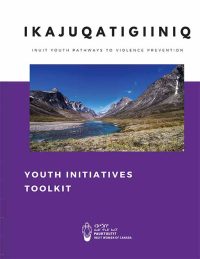
Ikajuqatigiiniq Inuit Youth Pathways to Violence Prevention
Ikajuqatigiiniq: Youth Initiatives Toolkit intends to assist Inuit youth across Inuit Nunangat and urban centers to develop and facilitate their own youth camp or activity. In this toolkit, you will find templates and resources to ease the republication of these youth-focused events. Given the need for flexibility and relevance to your community, the toolkit allows you to choose which resources are best applicable in your context and adapt it to create additional activities for your camp or activity.
The project was funded by First Nations and Inuit Health Branch and Family Violence Prevention Program (FVPP) – Indigenous Serviced Canada.
https://pauktuutit.ca/wp-content/uploads/IkajuqatigiiniqToolkit_ENB_FINAL.pdf
https://pauktuutit.ca/wp-content/uploads/IkajuqatigiiniqToolkit_SB_FINAL.pdf
https://pauktuutit.ca/wp-content/uploads/IkajuqatigiiniqToolkit_NUNA_FINAL.pdf
Year Published 2021
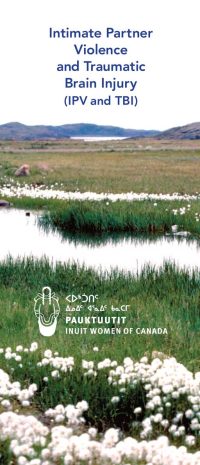
Intimate Partner Violence and Traumatic Brain Injury
Intimate partner violence (IPV, which can also be known as acts of violence with a personal partner) refers to the body, sexual, and personal/physical thinking acts of violent behaviour by a current or former intimate partner. Intimate partner violence traumatic brain injury (IPV TBI) can occur from any blow or outside force on the head, face or neck, or somewhere else on the body that causes a sudden jarring or shaking of the head. It may also occur when a person is choked or strangled leading to a less blood flow to the brain.
https://pauktuutit.ca/wp-content/uploads/Pauktuutit_IPV-TBI_Violence_Brochure_Kivalliq_1.pdf
https://pauktuutit.ca/wp-content/uploads/Pauktuutit_IPV-TBI_Violence_Brochure_NorthBaffin_1.pdf
Year Published 2021
Annual Reports
2023-2024 Annual Report
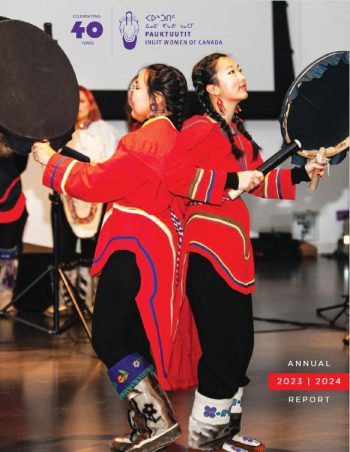
2022-2023 Annual Report
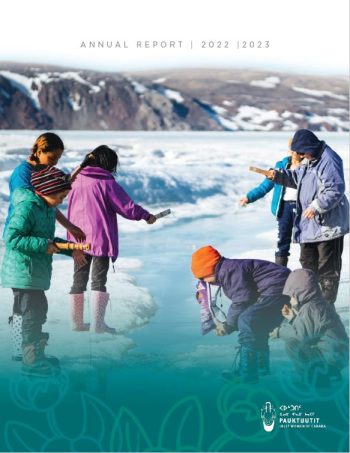
2021-2022 Annual Report
2020-2021 Annual Report
2019-2020 Annual Report
2018-2019 Annual Report
2017-2018 Annual Report
2016-2017 Annual Report
2015-2016 Annual Report
2014-2015 Annual Report
2013-2014 Annual Report
2012-2013 Annual Report
2011-2012 Annual Report
2010-2011 Annual Report
2009-2010 Annual Report
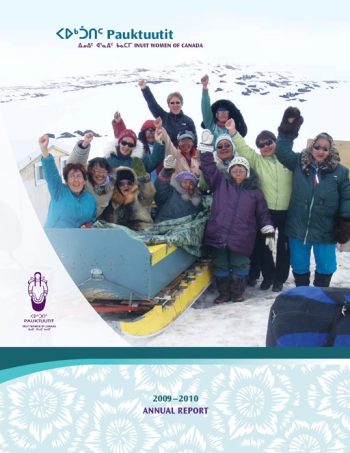
2008-2009 Annual Report
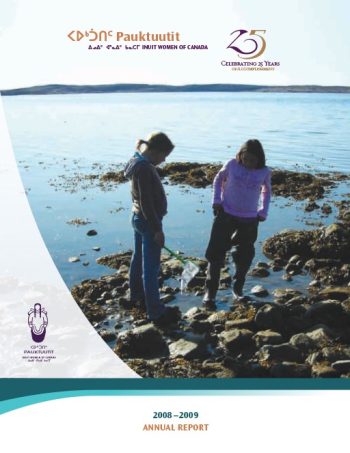
2007-2008 Annual Report
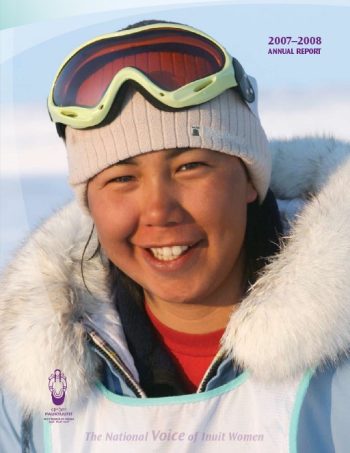
2006-2007 Annual Report
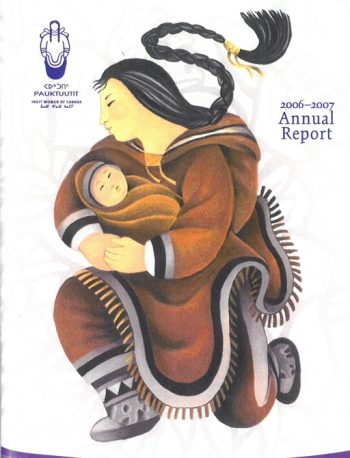
2005-2006 Annual Report
2003-2004 & 2004-2005 Annual Report
2002-2003 Annual Report
2001-2002 Annual Report
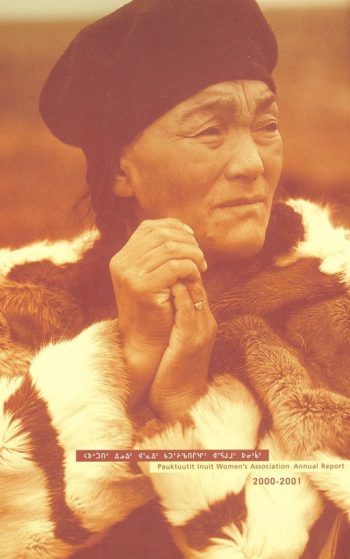
2000-2001 Annual Report
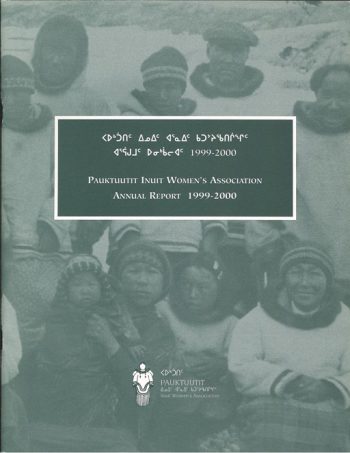
1999-2000 Annual Report
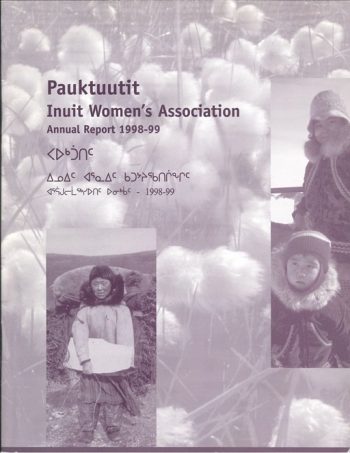
1998-1999 Annual Report
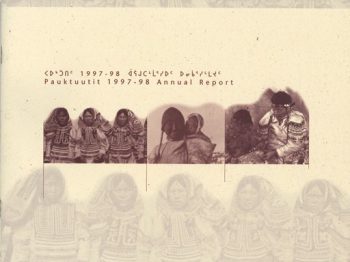
1997-1998 Annual Report
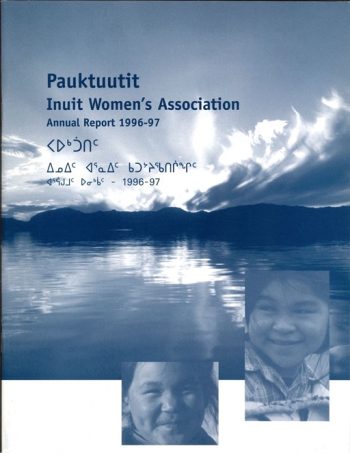
1996-1997 Annual Report
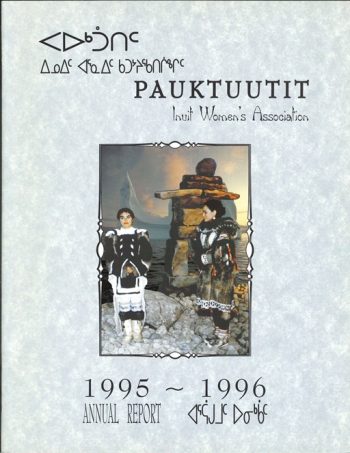
1995-1996 Annual Report
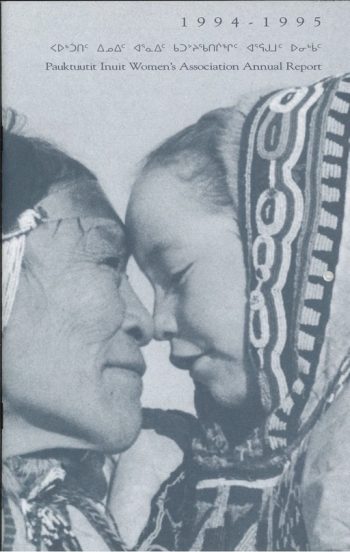
1994-1995 Annual Report
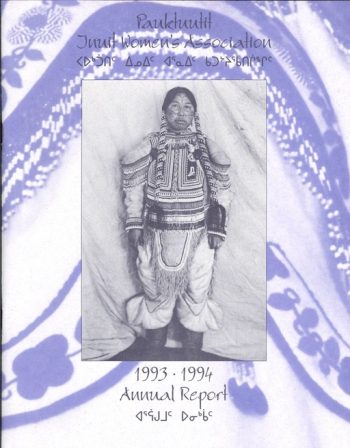
1993-1994 Annual Report
1992-1993 Annual Report
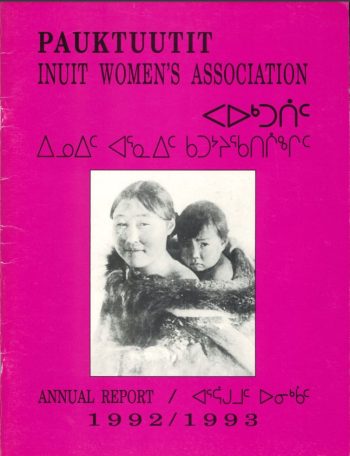
1991-1992 Annual Report
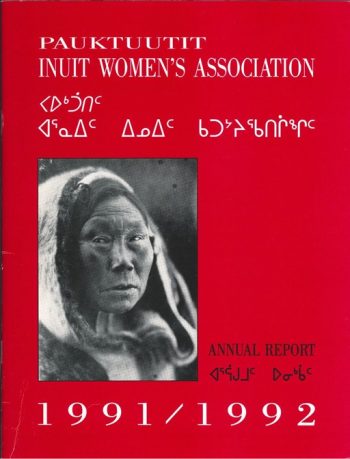
1990-1991 Annual Report
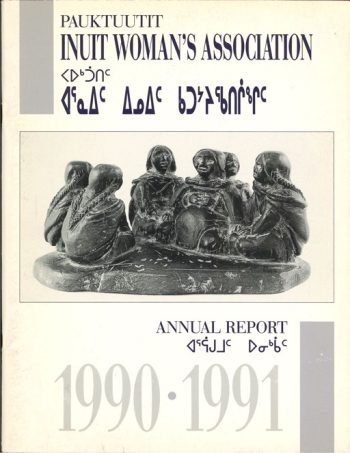
1989-1990 Annual Report
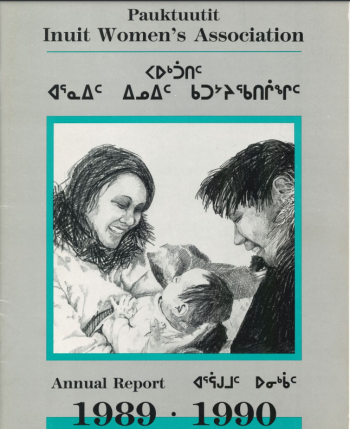
1988-1989 Annual Report
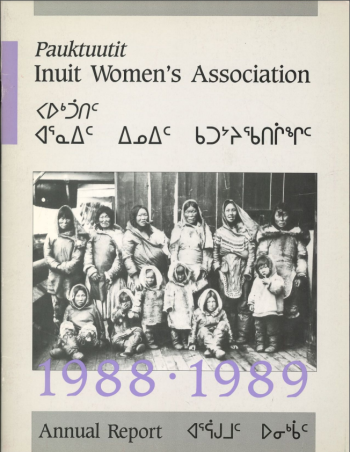
1987-1988 Annual Report
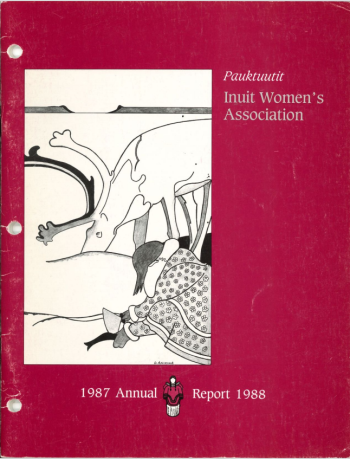
1986-1987 Annual Report
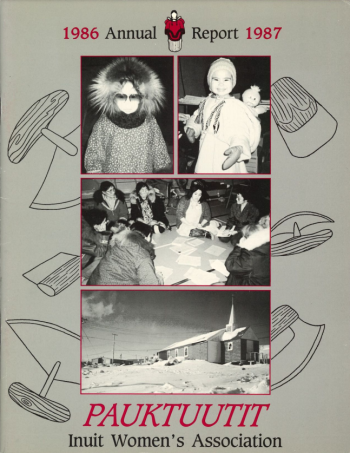
1985-1986 Annual Report
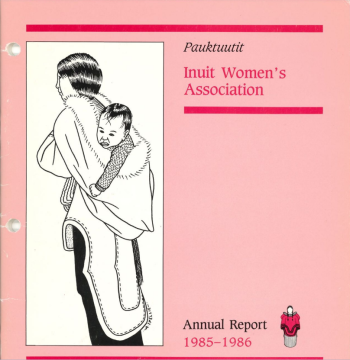
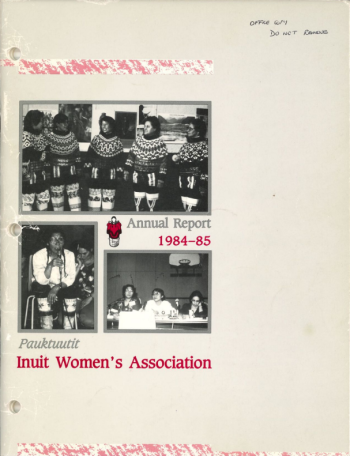
1984-1985 Annual Report
Policy Briefs
Ending Gender-Based Violence Against Inuit Women, Girls, and Gender-Diverse Inuit
Inuit Justice Revitalization
Expand Sexually Transmitted Blood Borne Infection (STBBI) Testing, Screening, and Treatment Services Throughout Inuit Nunangat
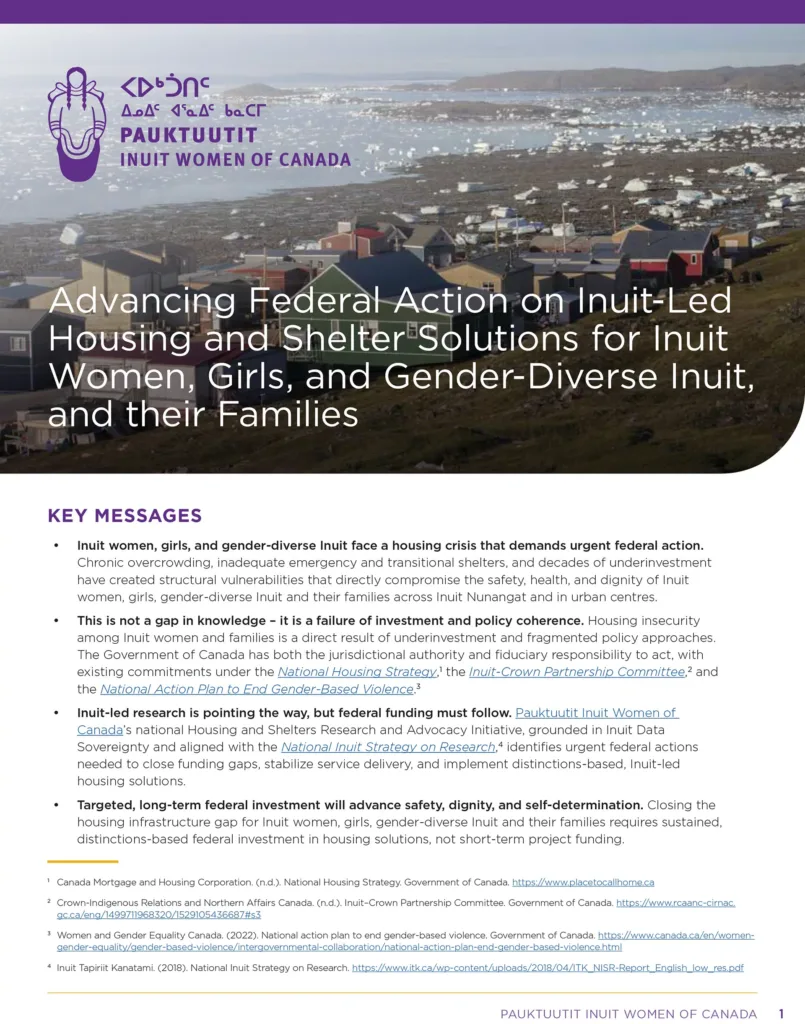
Advancing Federal Action on Inuit‑Led Housing and Shelter Solutions for Inuit Women, Girls, and Gender‑Diverse Inuit, and their Families
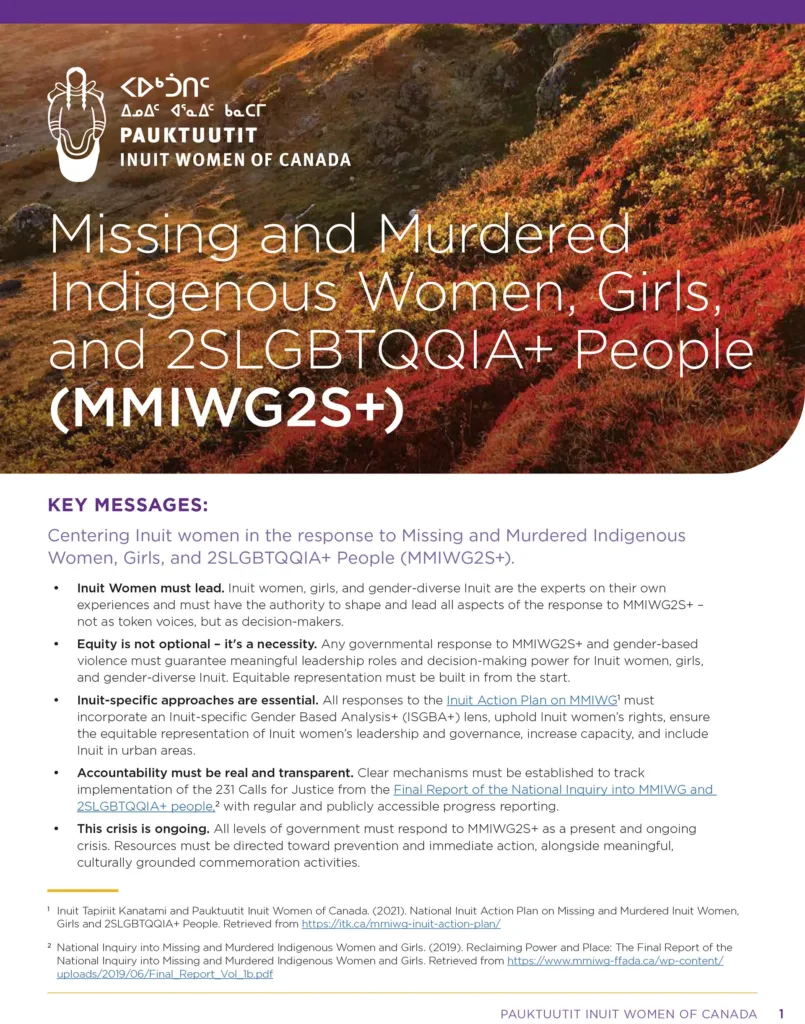
Missing and Murdered Indigenous Women, Girls, and 2SLGBTQQIA+ People (MMIWG2S+)
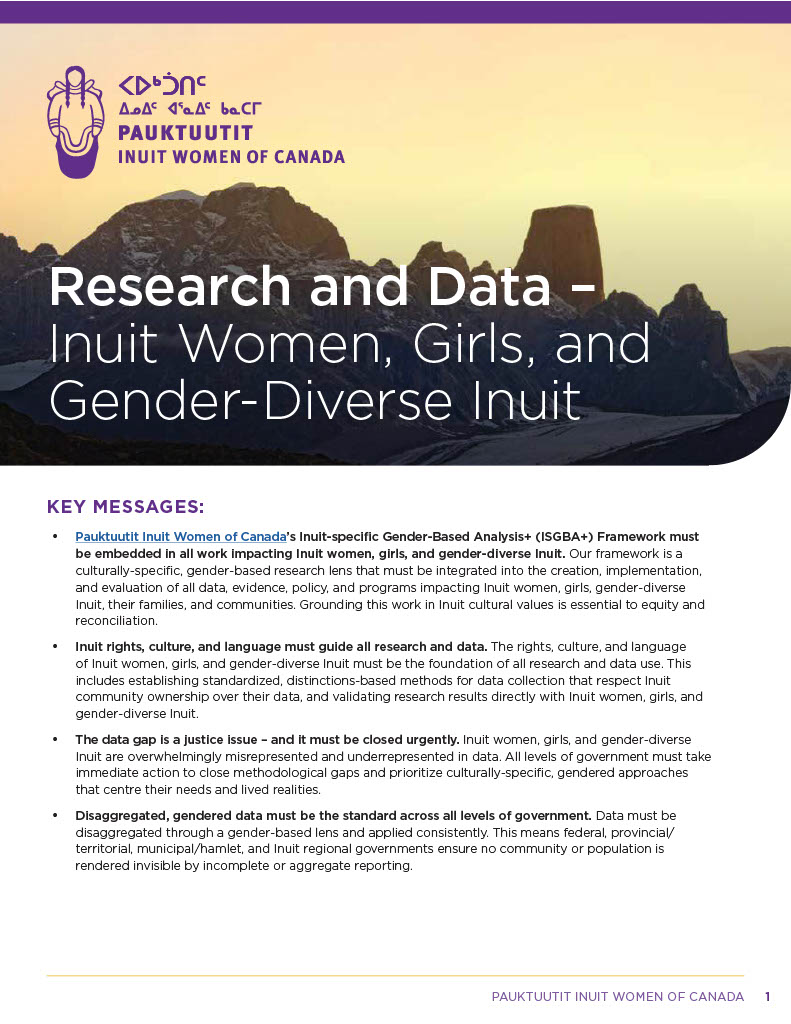
Research and Data – Inuit Women, Girls, and Gender-Diverse Inuit
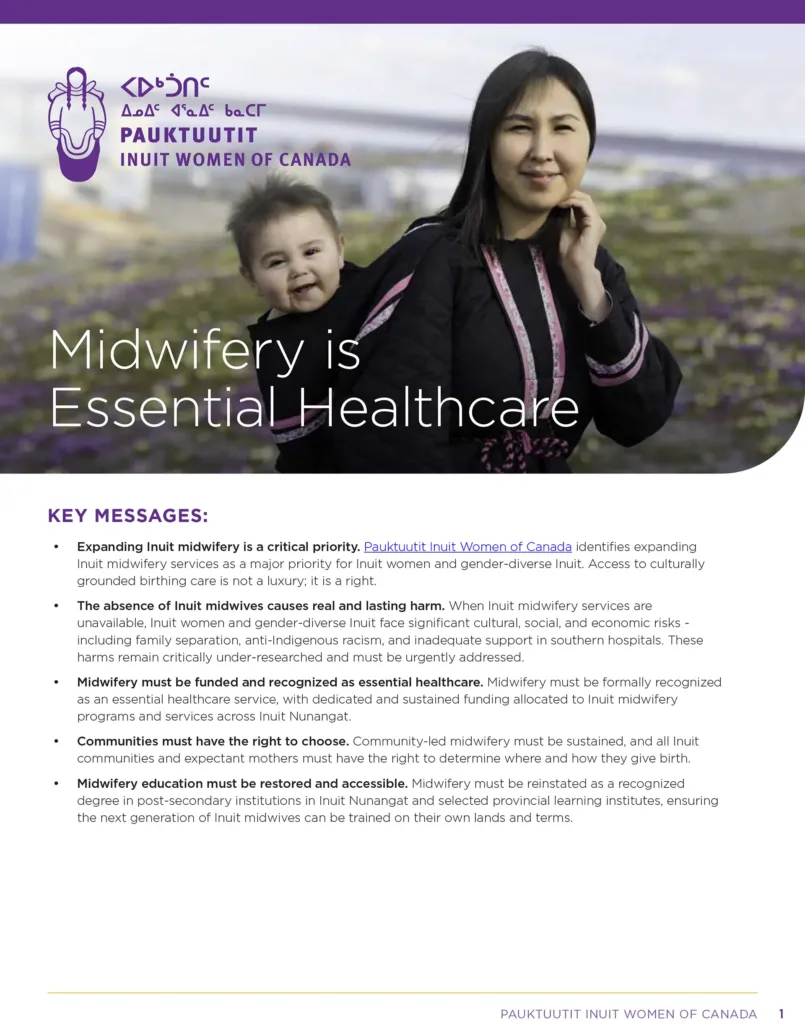
Midwifery is Essential Healthcare
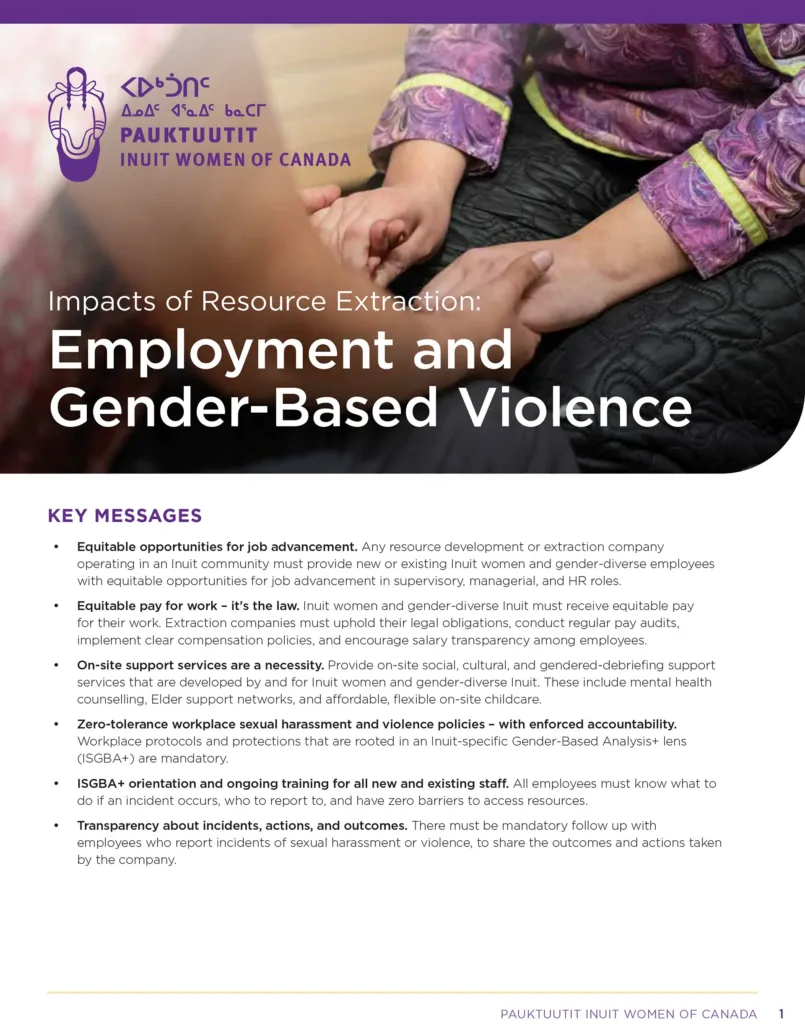
Impacts of Resource Extraction: Employment and Gender‑Based Violence