Publications
Daycare Initial Inspection Report
Unintentional injuries are a major source of morbidity and mortality among Canadian Inuit. Along with suicides, injuries are the main contributor to disparities in mortality rates between Inuit young adults and those in the rest of Canada. There is a huge economic impact that comes with the high incidence of unintentional injuries in the North. Inuit, however, face particular challenges and there is a need to address the unique geographic, cultural, and linguistic characteristics of Inuit.
https://pauktuutit.ca/wp-content/uploads/DaycareInitialInspectionReport_English.pdf
Year Published 2011
Inuit Injury Prevention Practices
Unintentional injuries are a major source of morbidity and mortality among Canadian Inuit. Along with suicides, injuries are the main contributor to disparities in mortality rates between Inuit young adults and those in the rest of Canada. There is a huge economic impact that comes with the high incidence of unintentional injuries in the North. Inuit, however, face particular challenges and there is a need to address the unique geographic, cultural, and linguistic characteristics of Inuit.
https://pauktuutit.ca/wp-content/uploads/InuitInjuryPreventionPractices_English.pdf
Year Published 2011
Helmet Policy
Unintentional injuries are a major source of morbidity and mortality among Canadian Inuit. Along with suicides, injuries are the main contributor to disparities in mortality rates between Inuit young adults and those in the rest of Canada. There is a huge economic impact that comes with the high incidence of unintentional injuries in the North. Inuit, however, face particular challenges and there is a need to address the unique geographic, cultural, and linguistic characteristics of Inuit.
https://pauktuutit.ca/wp-content/uploads/HelmetPolicy_English.pdf
Year Published 2011
Incident Report Form
Unintentional injuries are a major source of morbidity and mortality among Canadian Inuit. Along with suicides, injuries are the main contributor to disparities in mortality rates between Inuit young adults and those in the rest of Canada. There is a huge economic impact that comes with the high incidence of unintentional injuries in the North. Inuit, however, face particular challenges and there is a need to address the unique geographic, cultural, and linguistic characteristics of Inuit.
https://pauktuutit.ca/wp-content/uploads/IncidentReportForm_Nunavik.pdf
Year Published 2011
Incident/Injury Report
Unintentional injuries are a major source of morbidity and mortality among Canadian Inuit. Along with suicides, injuries are the main contributor to disparities in mortality rates between Inuit young adults and those in the rest of Canada. There is a huge economic impact that comes with the high incidence of unintentional injuries in the North. Inuit, however, face particular challenges and there is a need to address the unique geographic, cultural, and linguistic characteristics of Inuit.
https://pauktuutit.ca/wp-content/uploads/Injury_English.pdf
Year Published 2011
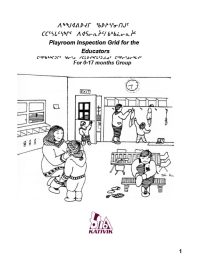
Inspection Grid for Educators
Unintentional injuries are a major source of morbidity and mortality among Canadian Inuit. Along with suicides, injuries are the main contributor to disparities in mortality rates between Inuit young adults and those in the rest of Canada. There is a huge economic impact that comes with the high incidence of unintentional injuries in the North. Inuit, however, face particular challenges and there is a need to address the unique geographic, cultural, and linguistic characteristics of Inuit.
https://pauktuutit.ca/wp-content/uploads/Inspection-grid-for-educators0-17.pdf
Year Published 2011
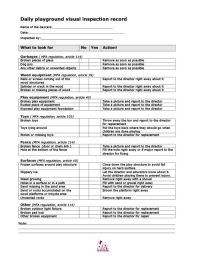
Daily Visual Inspection of Outdoor Play Area Form
Unintentional injuries are a major source of morbidity and mortality among Canadian Inuit. Along with suicides, injuries are the main contributor to disparities in mortality rates between Inuit young adults and those in the rest of Canada. There is a huge economic impact that comes with the high incidence of unintentional injuries in the North. Inuit, however, face particular challenges and there is a need to address the unique geographic, cultural, and linguistic characteristics of Inuit.
https://pauktuutit.ca/wp-content/uploads/DailyVisualInspectionRecordForThePlayground_English.pdf
Year Published 2011
Inuit Elder and Youth Workshop Model
Pauktuutit undertook this two year project to provide Inuit women with resources that promote leadership and personal wellness as tools to address family violence. This project also facilitated knowledge exchange and communication between elders and youth to develop a shared leadership role in the reduction of all forms of abuse and family violence in their communities. Through on-the-land workshops and youth and elder workshops, Pauktuutit was able to create two models to help communities create safe environments for women and girls to participate in healing and leadership opportunities.
https://pauktuutit.ca/wp-content/uploads/Inuit-Elder-and-Youth-Workshop-Model_2011.pdf
Year Published 2011
On-the-Land Workshop Model
Pauktuutit undertook this two year project to provide Inuit women with resources that promote leadership and personal wellness as tools to address family violence. This project also facilitated knowledge exchange and communication between elders and youth to develop a shared leadership role in the reduction of all forms of abuse and family violence in their communities. Through on-the-land workshops and youth and elder workshops, Pauktuutit was able to create two models to help communities create safe environments for women and girls to participate in healing and leadership opportunities.
https://pauktuutit.ca/wp-content/uploads/On-the-Land-Workshop-Model_2011.pdf
Year Published 2011
Inuit Five-year Strategic Plan on Sexual Health
The development of this strategic plan was guided primarily by the results of focus group sessions conducted by Pauktuutit and by the outcomes of the National Inuit Policy Forum on Sexual Health held in Iqaluit, Nunavut, on October 6–8, 2009. This event was organized by Pauktuutit and the Canadian Inuit HIV/AIDS Network (CIHAN), which functions as a consultative group to Pauktuutit on matters pertaining to HIV/AIDS prevention, care, and treatment. The policy forum was made possible with financial support from Health Canada (the Public Health Agency of Canada (PHAC) and First Nations and Inuit Health Branch (FNIHB).
https://pauktuutit.ca/wp-content/uploads/45-Inuit-Five-Year-Strategic-Plan-on-Sexual-Health_EN.pdf
Year Published 2010
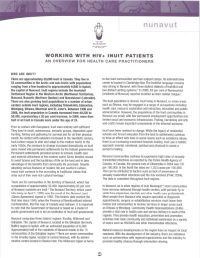
Physician Fact Sheets
Pauktuutit’s sexual health program began in the late 1980’s when news of the first Inuk woman diagnosed with HIV became public. Pauktuutit first passed a resolution during its 1984 Annual General Meetings (AGM) calling attention to Inuit sexual health issues and to the need for information and educational materials on sexual health that met the needs of Inuit communities. Later, in 1990, an AGM resolution called for an AIDS workshop in the North. In May 1995, Pauktuutit conducted the first National Inuit HIV/AIDS and Sexually Transmitted Infections Workshop, which served to raise awareness among Community Health Representatives (CHRs) about the issues and risk behaviours associated with HIV/AIDS and STIs. In 1998, with financial support from Health Canada, Pauktuutit began a pan-Arctic HIV/AIDS health prevention and promotion program that produced and distributed HIV/AIDS-related materials in English and Inuktitut. Pauktuutit remains the only national organization focusing on specific Inuit HIV/AIDS issues and initiatives, and has gained national and international recognition and acclaim for its innovative and unique work.
https://pauktuutit.ca/wp-content/uploads/55-Physician-Fact-Sheet-–-Winnipeg-Kivalliq.pdf
Year Published 2010
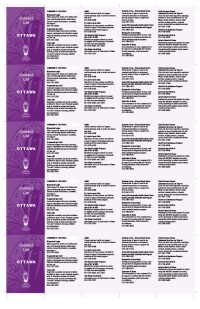
Contact Lists
Pauktuutit’s sexual health program began in the late 1980’s when news of the first Inuk woman diagnosed with HIV became public. Pauktuutit first passed a resolution during its 1984 Annual General Meetings (AGM) calling attention to Inuit sexual health issues and to the need for information and educational materials on sexual health that met the needs of Inuit communities. Later, in 1990, an AGM resolution called for an AIDS workshop in the North. In May 1995, Pauktuutit conducted the first National Inuit HIV/AIDS and Sexually Transmitted Infections Workshop, which served to raise awareness among Community Health Representatives (CHRs) about the issues and risk behaviours associated with HIV/AIDS and STIs. In 1998, with financial support from Health Canada, Pauktuutit began a pan-Arctic HIV/AIDS health prevention and promotion program that produced and distributed HIV/AIDS-related materials in English and Inuktitut. Pauktuutit remains the only national organization focusing on specific Inuit HIV/AIDS issues and initiatives, and has gained national and international recognition and acclaim for its innovative and unique work.
https://pauktuutit.ca/wp-content/uploads/50-Contact-List_Ottawa.pdf
Year Published 2010
Annual Reports
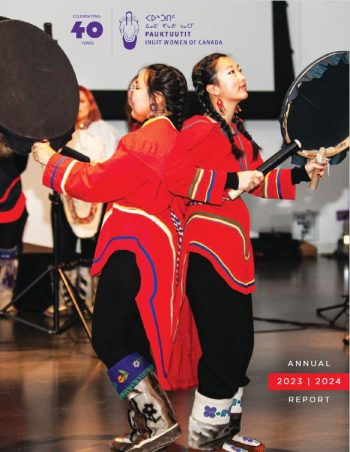
2023-2024 Annual Report
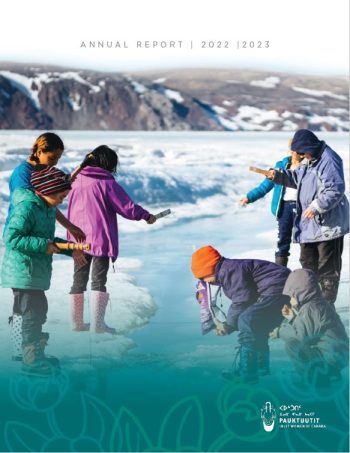
2022-2023 Annual Report
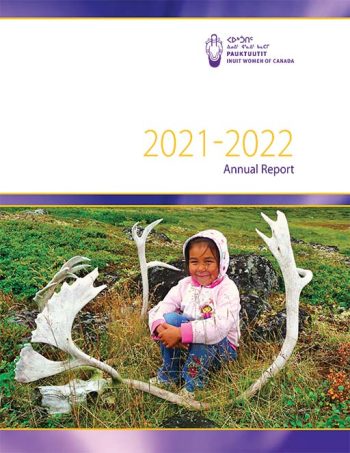
2021-2022 Annual Report
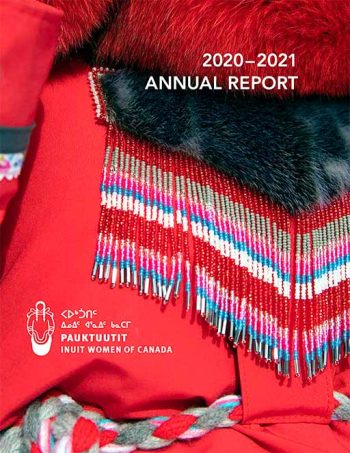
2020-2021 Annual Report
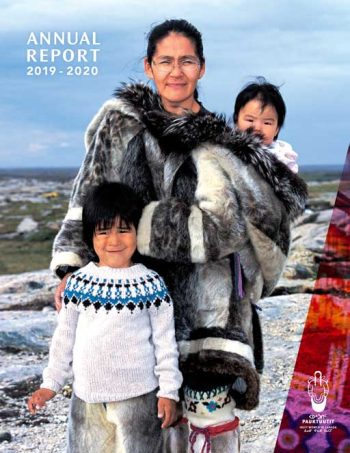
2019-2020 Annual Report
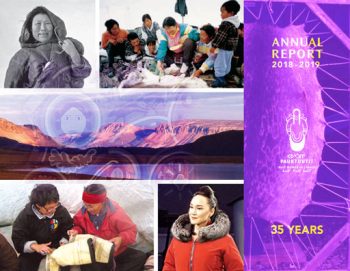
2018-2019 Annual Report
2017-2018 Annual Report
2016-2017 Annual Report
2015-2016 Annual Report
2014-2015 Annual Report
2013-2014 Annual Report
2012-2013 Annual Report
2011-2012 Annual Report
2010-2011 Annual Report
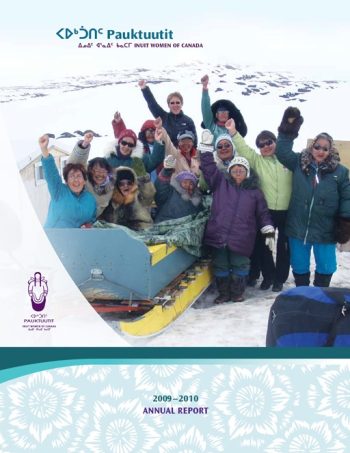
2009-2010 Annual Report
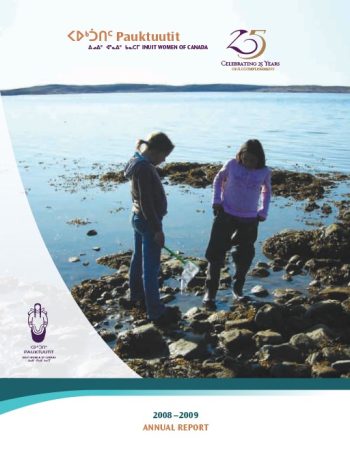
2008-2009 Annual Report
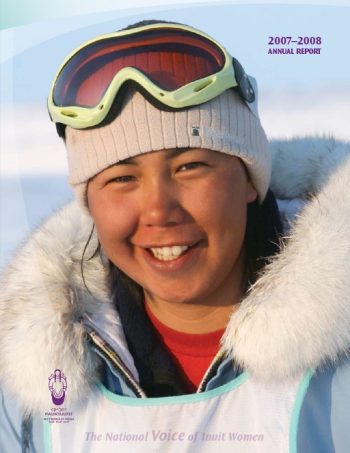
2007-2008 Annual Report
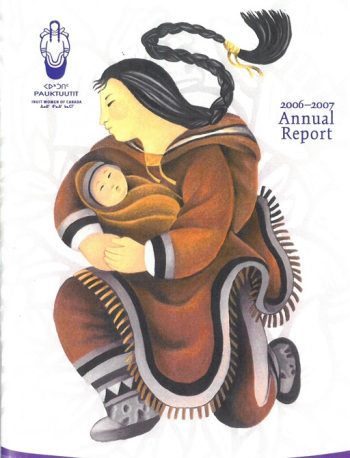
2006-2007 Annual Report
2005-2006 Annual Report
2003-2004 & 2004-2005 Annual Report
2002-2003 Annual Report
2001-2002 Annual Report
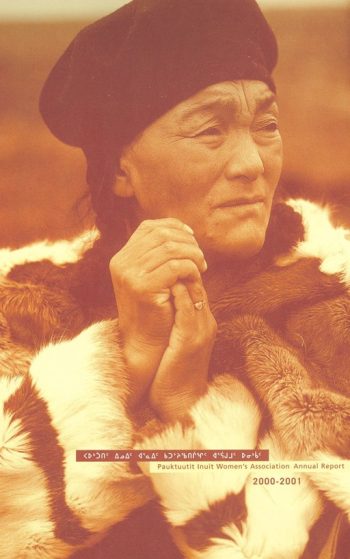
2000-2001 Annual Report
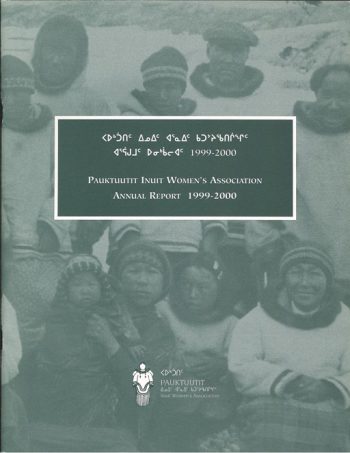
1999-2000 Annual Report
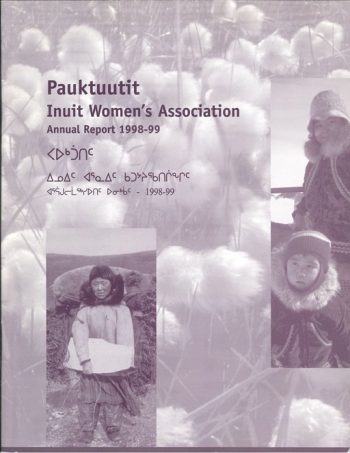
1998-1999 Annual Report
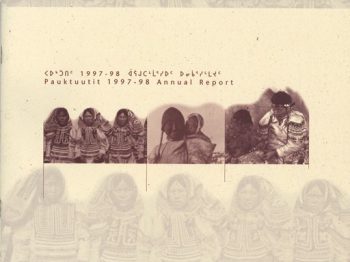
1997-1998 Annual Report
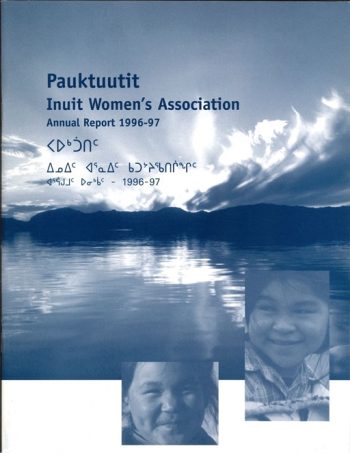
1996-1997 Annual Report
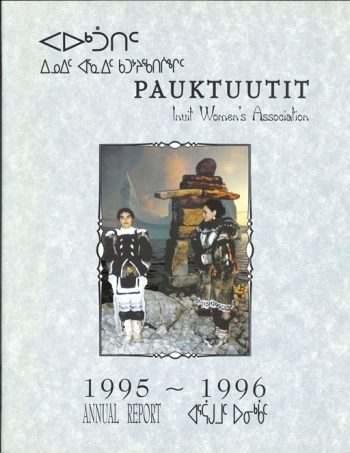
1995-1996 Annual Report
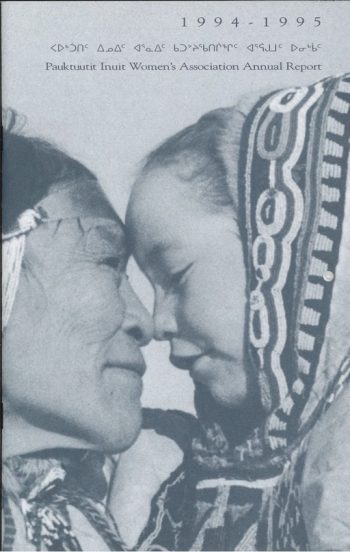
1994-1995 Annual Report
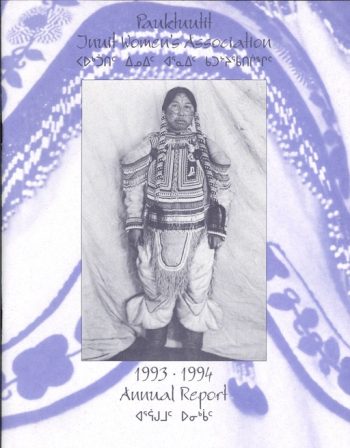
1993-1994 Annual Report
1992-1993 Annual Report
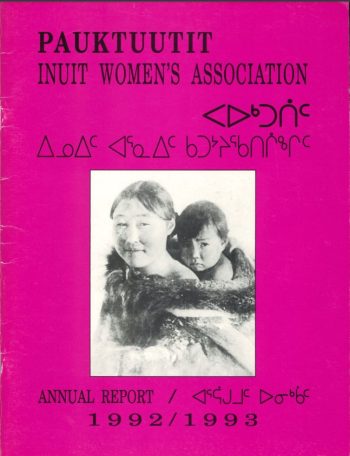
1991-1992 Annual Report
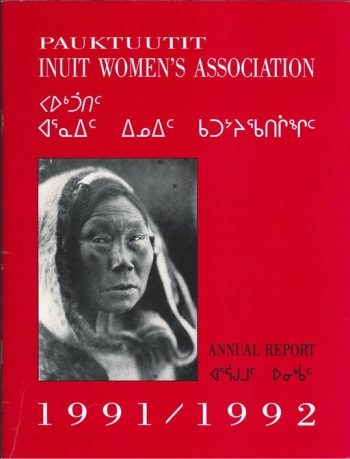
1990-1991 Annual Report
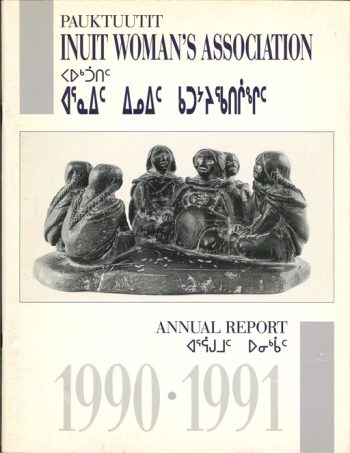
1989-1990 Annual Report
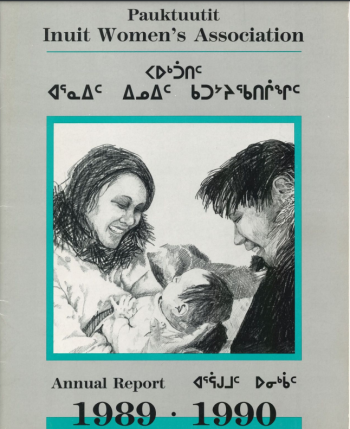
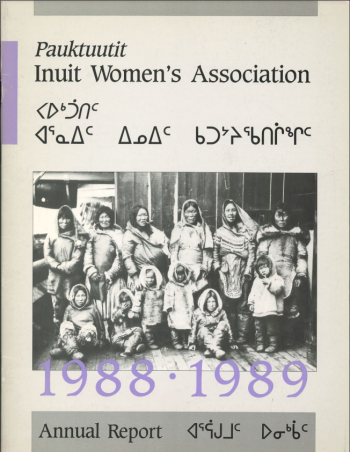
1988-1989 Annual Report
1987-1988 Annual Report
1986-1987 Annual Report
1985-1986 Annual Report
1984-1985 Annual Report
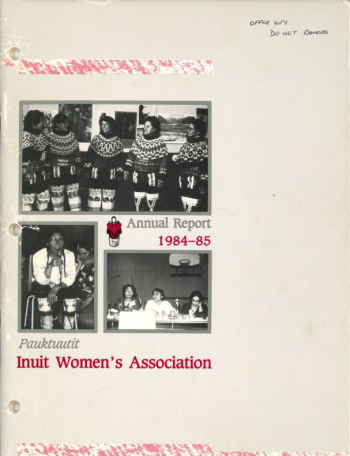
Policy Briefs
Ending Gender-Based Violence Against Inuit Women, Girls, and Gender-Diverse Inuit
Inuit Justice Revitalization
Expand Sexually Transmitted Blood Borne Infection (STBBI) Testing, Screening, and Treatment Services Throughout Inuit Nunangat
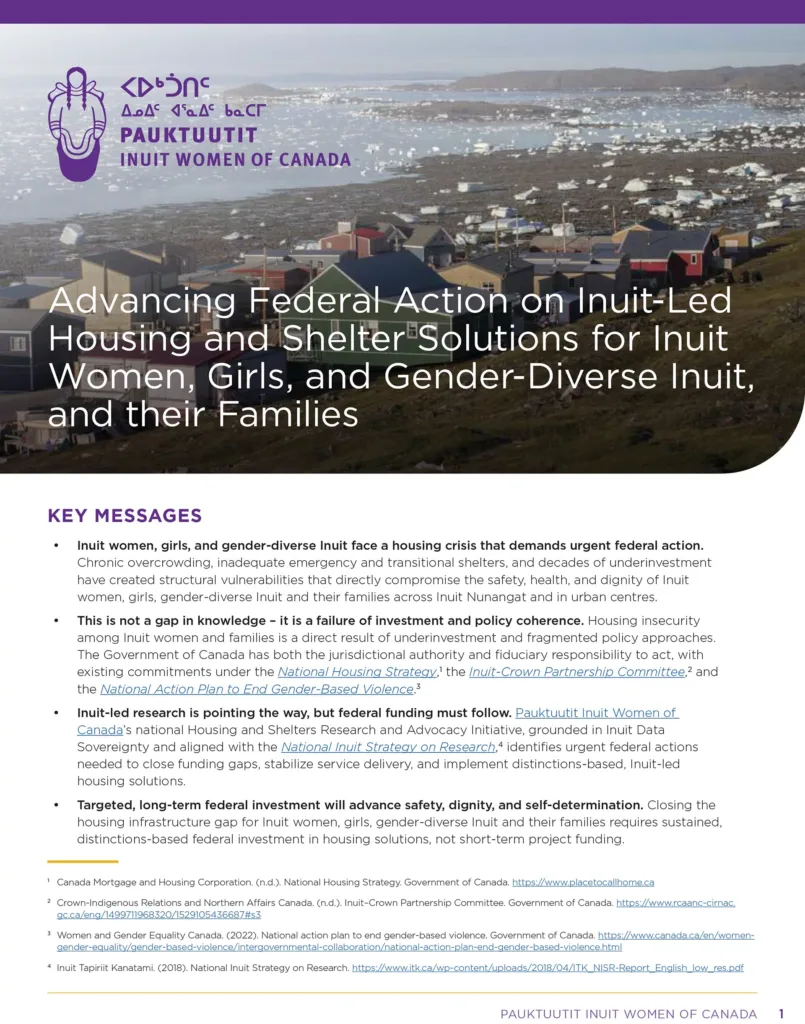
Advancing Federal Action on Inuit‑Led Housing and Shelter Solutions for Inuit Women, Girls, and Gender‑Diverse Inuit, and their Families
Missing and Murdered Indigenous Women, Girls, and 2SLGBTQQIA+ People (MMIWG2S+)
Research and Data – Inuit Women, Girls, and Gender-Diverse Inuit
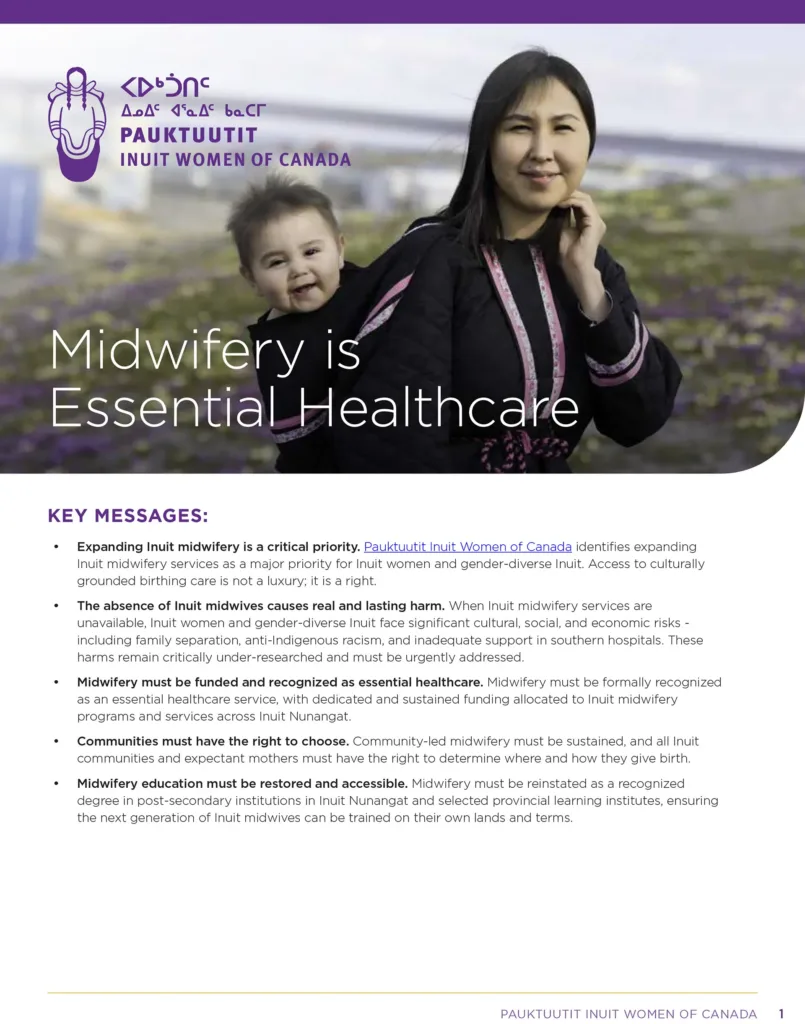
Midwifery is Essential Healthcare
Impacts of Resource Extraction: Employment and Gender‑Based Violence