Publications
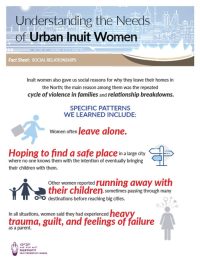
Fact Sheet: Social Relationships
Inuit women also gave us social reasons for why they leave their homes in the North; the main reason among them was the repeated cycle of violence in families and relationship breakdowns.
https://pauktuutit.ca/wp-content/uploads/UAS_factsheet_social_relationships.pdf
Year Published 2018
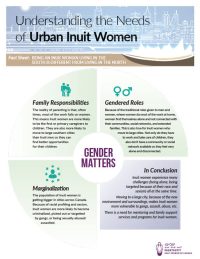
Fact Sheet: Being an Inuk woman living in the South is different from living in the North
Inuit women experience many challenges (being alone, being targeted because of their race and sexism) all at the same time. Moving to a large city, because of the new environment and surroundings, makes Inuit women more vulnerable to gangs, assault, abuse, etc. There is a need for mentoring and family support services and programs for Inuit women.
https://pauktuutit.ca/wp-content/uploads/UAS_factsheet_south_vs_north.pdf
Year Published 2018
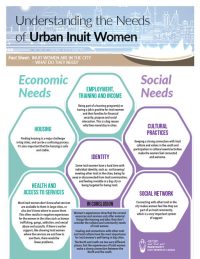
Fact Sheet: Inuit women are in the city – What do they need?
Women’s experiences show that the current resources and services only offer material things like housing and jobs; they don’t consider the cultural and community needs of Inuit women. Healing and connections with other Inuit and Inuit culture have the most importance for Inuit women’s well-being in big cities. The North and south are two very different places, but the experiences of Inuit women make a strong connection between the North and the south.
https://pauktuutit.ca/wp-content/uploads/UAS_factsheets_needs.pdf
Year Published 2018
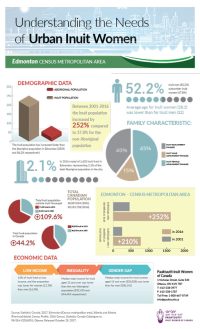
Infographic: Edmonton Census Metropolitan Area
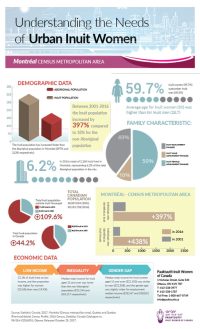
Infographic: Montréal Census Metropolitan Area
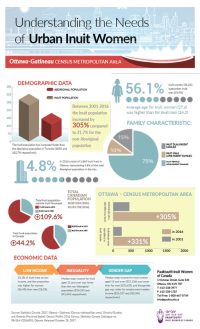
Infographic: Ottawa-Gatineau Census Metropolitan Area
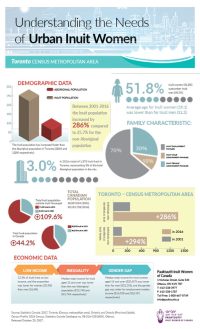
Infographic: Toronto Census Metropolitan Area
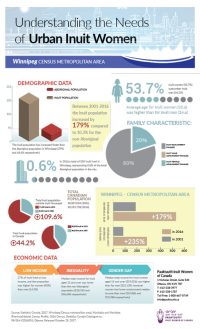
Infographic: Winnipeg Census Metropolitan Area
Kiinaq Ijiqsimajuq The Hidden Face, Part 2 – Adult Life: Facilitator’s Guide
Phase II of Addressing the Needs of Child Sexual Abuse Survivors adapted a second DVD that was produced in Greenland. The first DVD addresses the impacts of child sexual abuse on a child while the second DVD addresses the adult implications of child sexual abuse. It is important that both the first and second DVD are part of the training module/resources.
Due to the sensitive nature of the content and the need to have a safe environment to discuss these issues, Pauktuutit recommends that The Hidden Face curriculum be used in professional development settings until more supports and resources for sexual abuse victims, survivors and their families are available in the communities.
https://pauktuutit.ca/wp-content/uploads/Pauktuutit_HiddenFace_FacilitatorsPart2_WEB.pdf
Year Published 2012
The Hidden Face, Part 1 – Child Sexual Abuse: Facilitator’s Guide
Pauktuutit was able to undertake Phase I of the Addressing the Needs of Child Sexual Abuse Project in 2007/08. The objectives were to adapt a DVD public awareness tool entitled The Hidden Face from Greenlandic to a Canadian Inuktitut dialect, to develop a facilitator and participant manuals, publication and accompanying workbook for a four-day training workshop for front-line workers, educators and other professionals.
Due to the sensitive nature of the content and the need to have a safe environment to discuss these issues, Pauktuutit recommends that The Hidden Face curriculum be used in professional development settings until more supports and resources for sexual abuse victims, survivors and their families are available in the communities.
https://pauktuutit.ca/wp-content/uploads/Pauktuutit_HiddenFace_FacilitatorsPart1_WEB.pdf
Year Published 2012
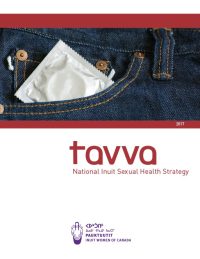
Tavva – National Inuit Sexual Health Strategy
This sexual health strategy is dedicated to those we have lost to HIV/AIDS and to the many dedicated individuals and organizations who are committed to reducing the current rates of STBBIs among Inuit.
Pauktuutit remains grateful to our many selfless partners, colleagues and friends who have made significant contributions to jointly creating a sexually healthy future for all.
This project was made possible by the support of the Public Health Agency of Canada.
Year Published 2017
Injury Prevention – Active and Safe
This project worked with youth in four communities, one community in each Inuit land claim area that had participated in Journey to the Teachings (JTT) injury prevention training: Nunavik, Quebec; Nunatsiavut, Newfoundland and Labrador, Atlantic region; Inuvialuit, Northwest Territory and Nunavut (Northern Region). Journey to the Teachings was adapted to a three-day workshop specifically for youth. In each community youth were provided with various media to develop youth injury prevention messages around injury prevention related to recreation and sports to include but not limited to: skidoo use, all terrain vehicle use, boating, etc. This allowed youth to be active partners in programs and activities that affect them. Youth are the experts in how to talk to youth and are very innovative in how to get the message out. Engaging youth has always been a challenge for adults when approached from an adult perspective but if youth are provided with a venue to express themselves and offered the option of medium to develop Inuit specific messaging for youth the results will be positive and long-lasting. Messaging is directed to youth by youth. The final products have been shared with all Inuit communities via the Pauktuutit website and Youtube.
During the project, Pauktuutit partnered with all regional governments, land claim organizations and community leadership.
Published: 2013
Annual Reports
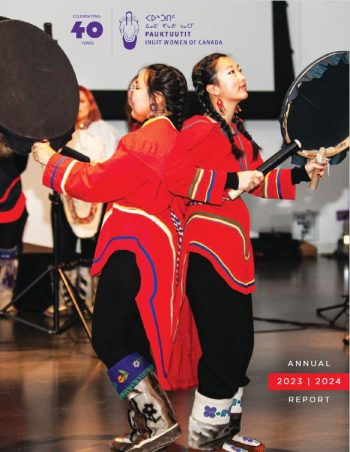
2023-2024 Annual Report
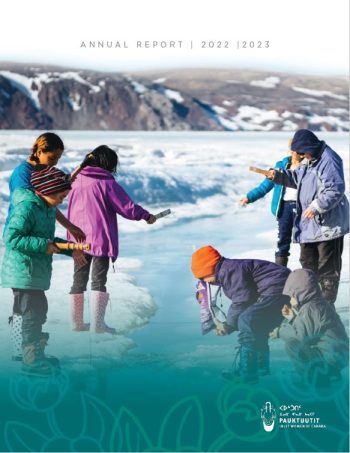
2022-2023 Annual Report
2021-2022 Annual Report
2020-2021 Annual Report
2019-2020 Annual Report
2018-2019 Annual Report
2017-2018 Annual Report
2016-2017 Annual Report
2015-2016 Annual Report
2014-2015 Annual Report
2013-2014 Annual Report
2012-2013 Annual Report
2011-2012 Annual Report
2010-2011 Annual Report
2009-2010 Annual Report
2008-2009 Annual Report
2007-2008 Annual Report
2006-2007 Annual Report
2005-2006 Annual Report
2003-2004 & 2004-2005 Annual Report
2002-2003 Annual Report
2001-2002 Annual Report
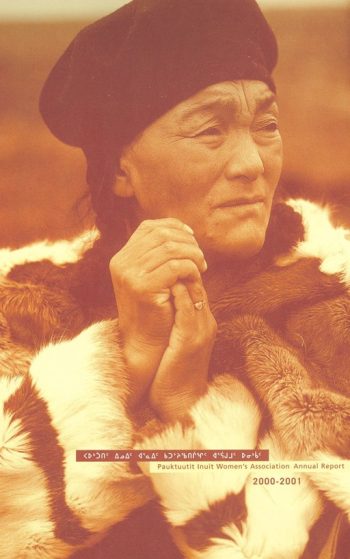
2000-2001 Annual Report
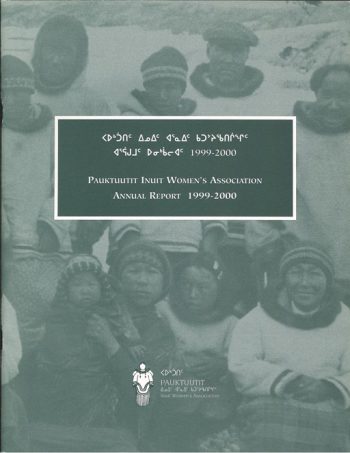
1999-2000 Annual Report
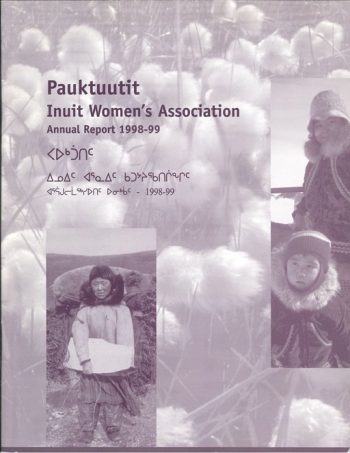
1998-1999 Annual Report
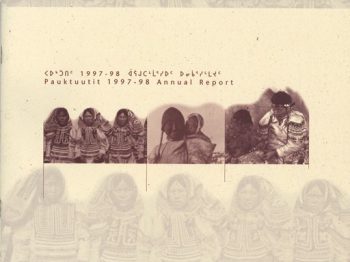
1997-1998 Annual Report
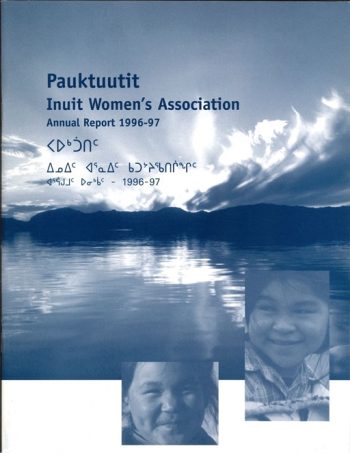
1996-1997 Annual Report
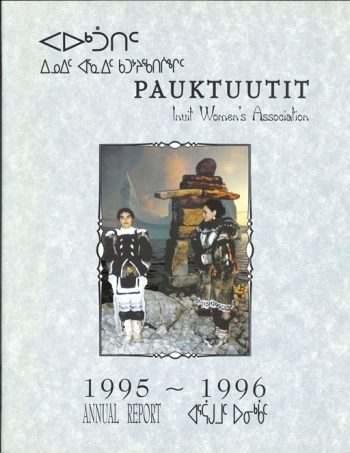
1995-1996 Annual Report
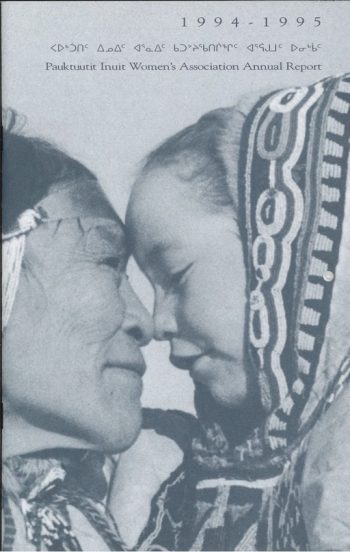
1994-1995 Annual Report
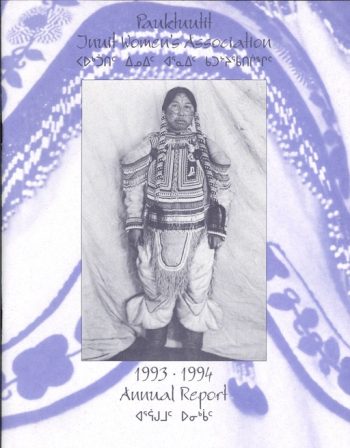
1993-1994 Annual Report
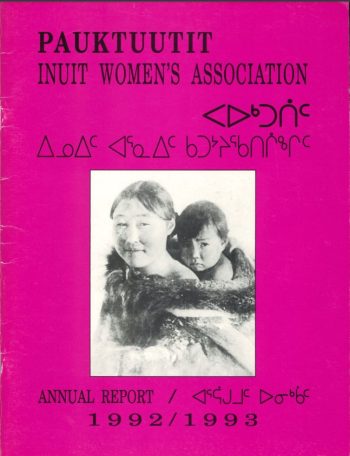
1992-1993 Annual Report
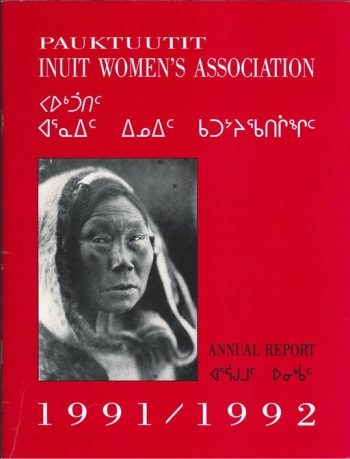
1991-1992 Annual Report
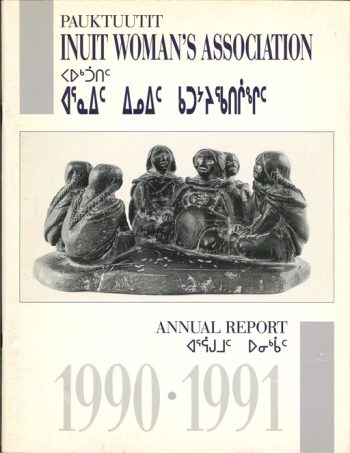
1990-1991 Annual Report
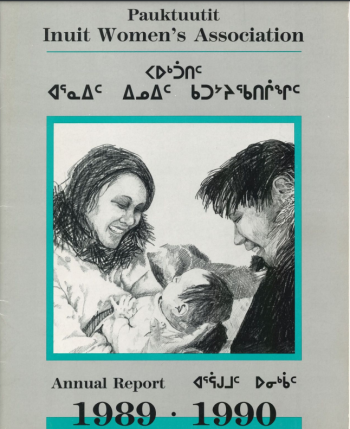
1989-1990 Annual Report
1988-1989 Annual Report
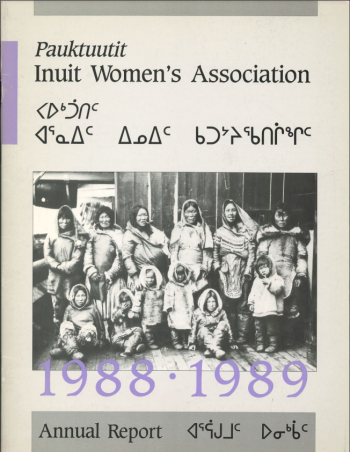
1987-1988 Annual Report
1986-1987 Annual Report
1985-1986 Annual Report
1984-1985 Annual Report
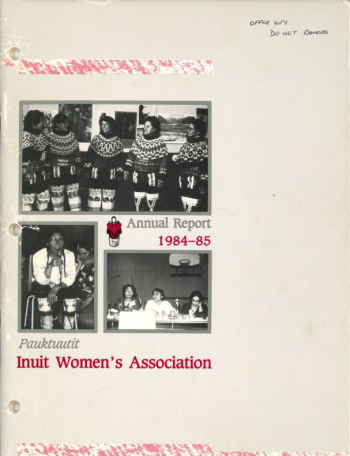
Policy Briefs
Ending Gender-Based Violence Against Inuit Women, Girls, and Gender-Diverse Inuit
Inuit Justice Revitalization
Expand Sexually Transmitted Blood Borne Infection (STBBI) Testing, Screening, and Treatment Services Throughout Inuit Nunangat
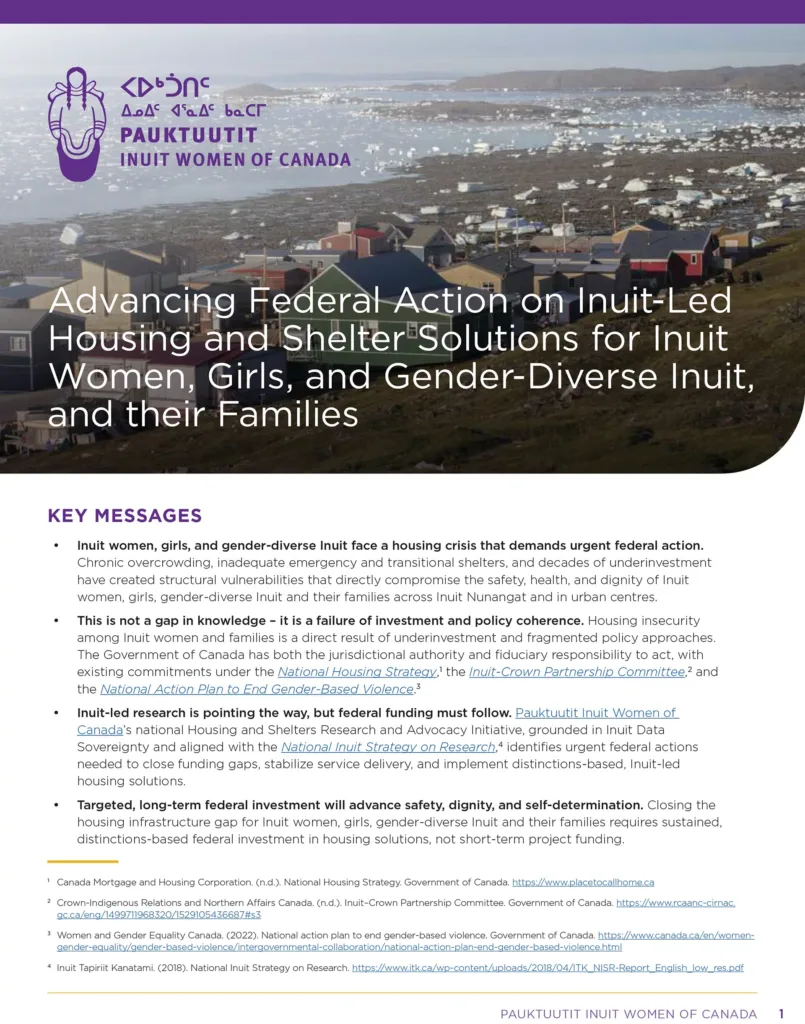
Advancing Federal Action on Inuit‑Led Housing and Shelter Solutions for Inuit Women, Girls, and Gender‑Diverse Inuit, and their Families
Missing and Murdered Indigenous Women, Girls, and 2SLGBTQQIA+ People (MMIWG2S+)
Research and Data – Inuit Women, Girls, and Gender-Diverse Inuit
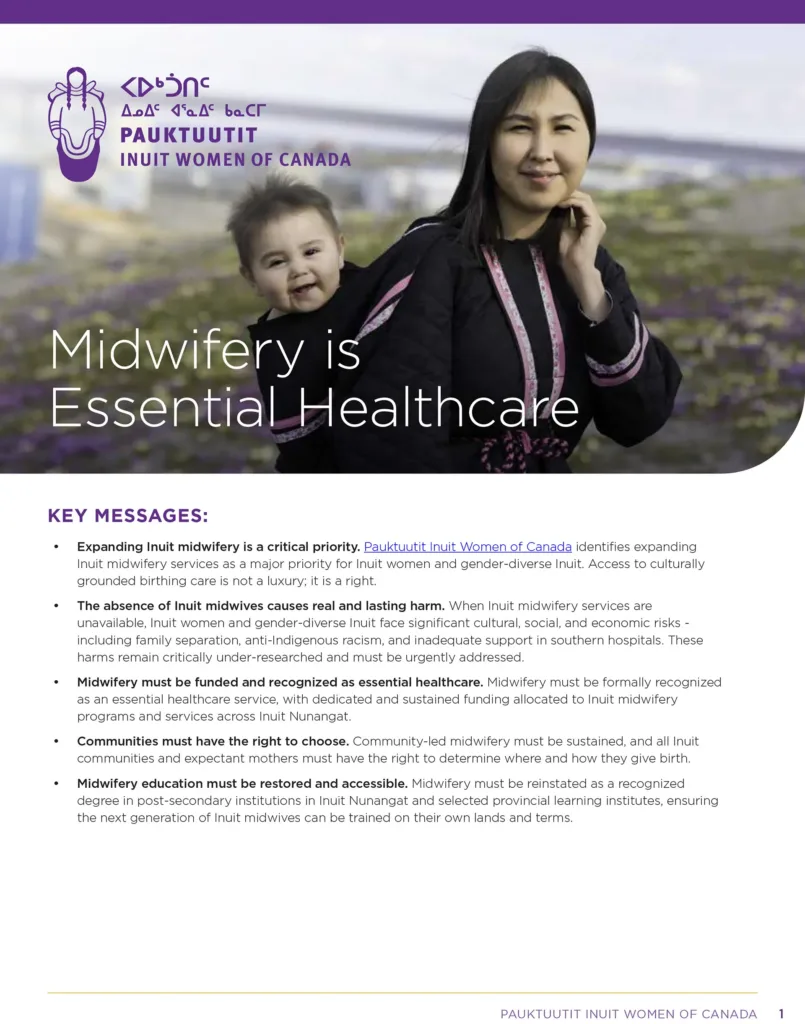
Midwifery is Essential Healthcare
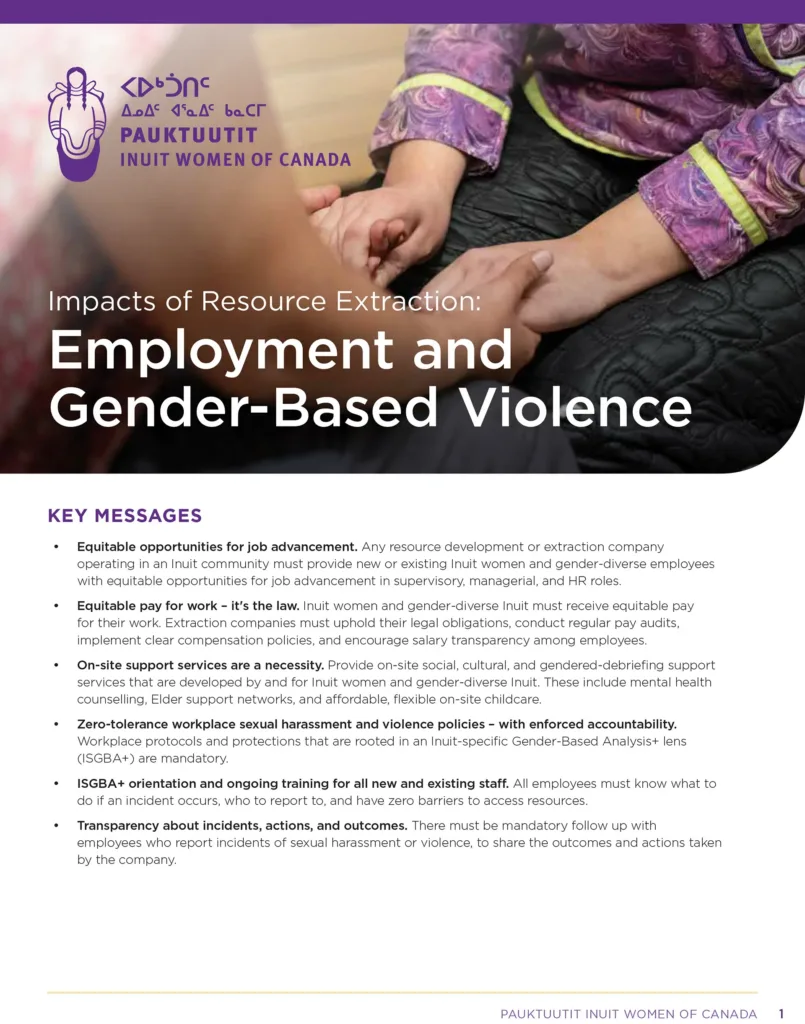
Impacts of Resource Extraction: Employment and Gender‑Based Violence